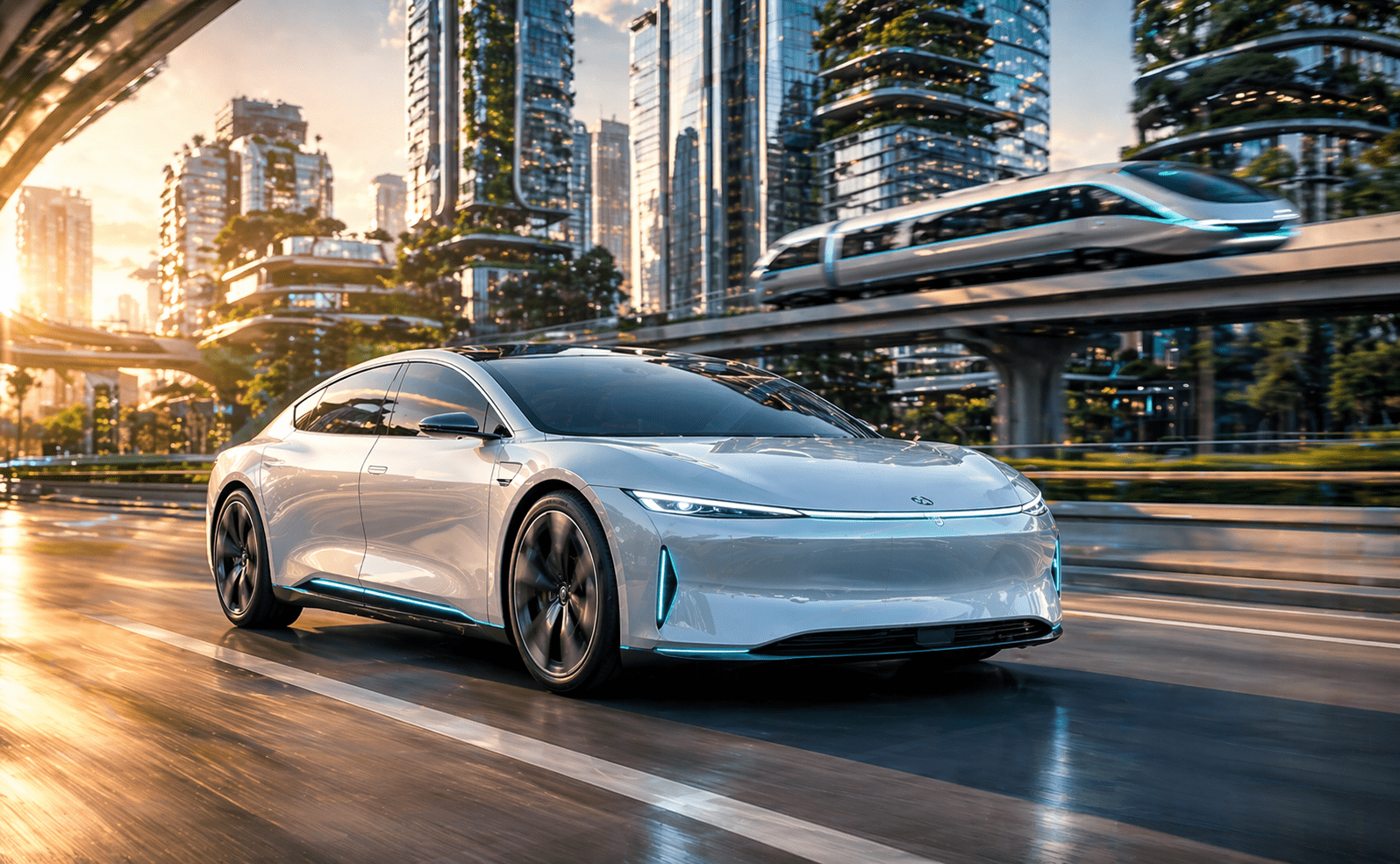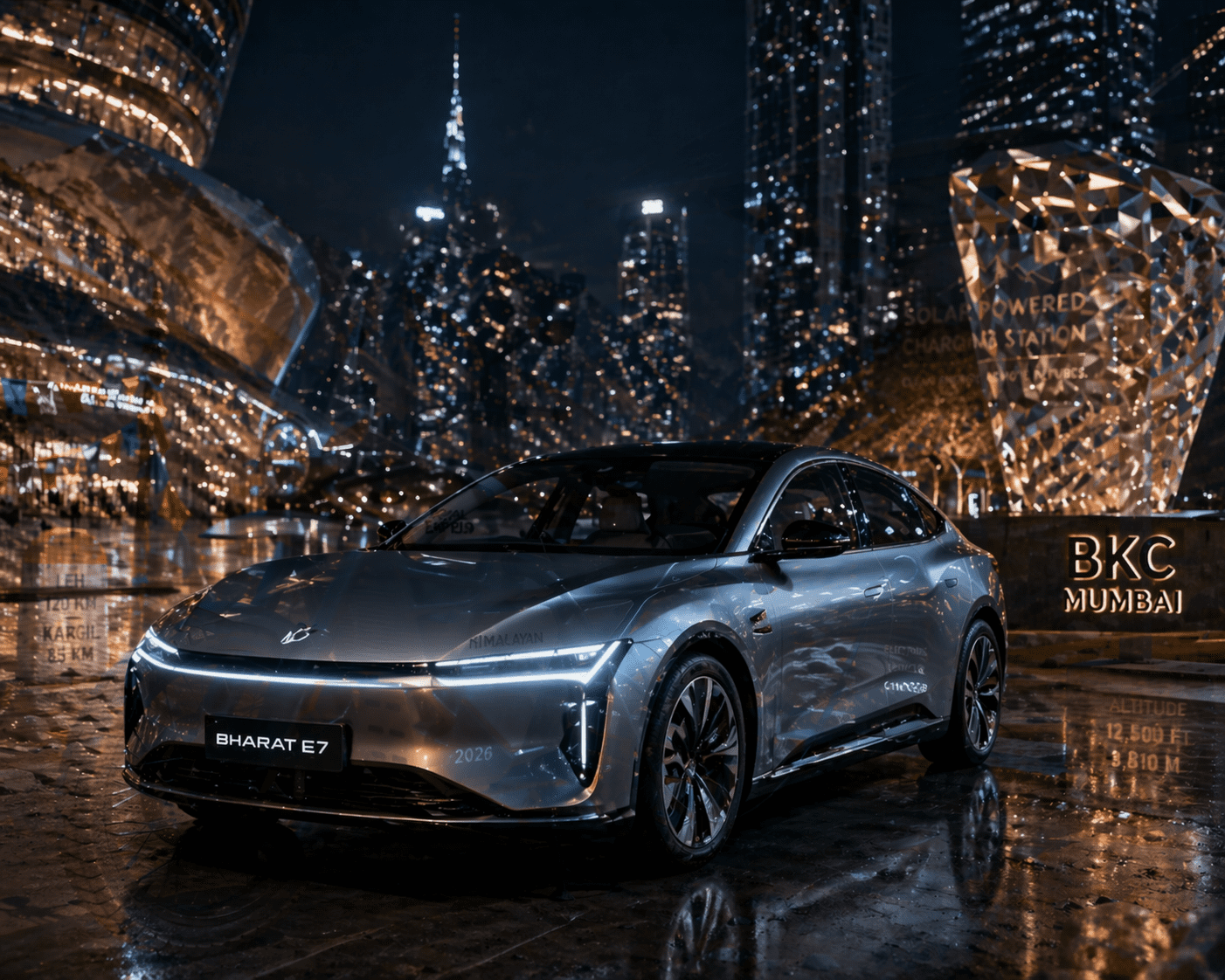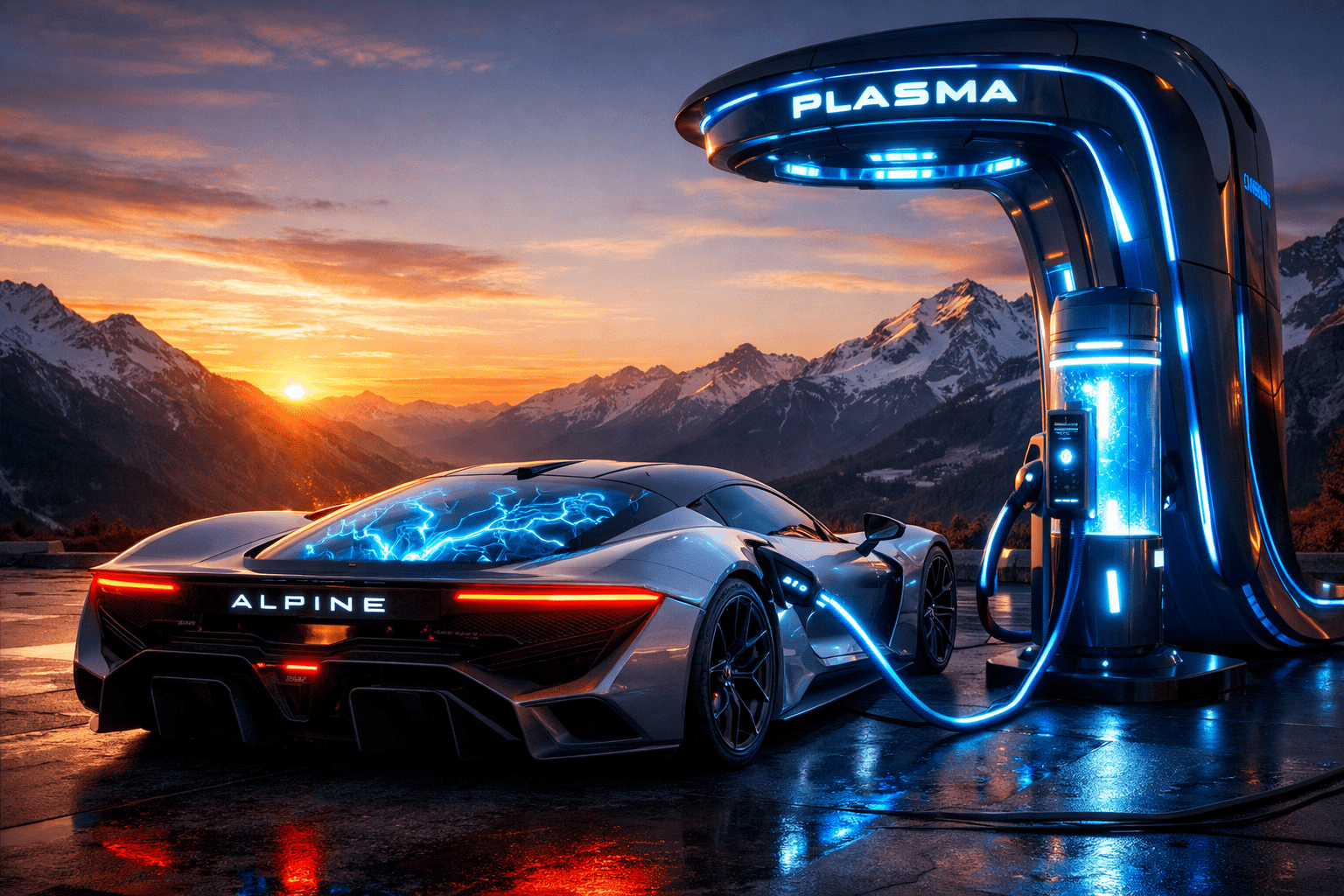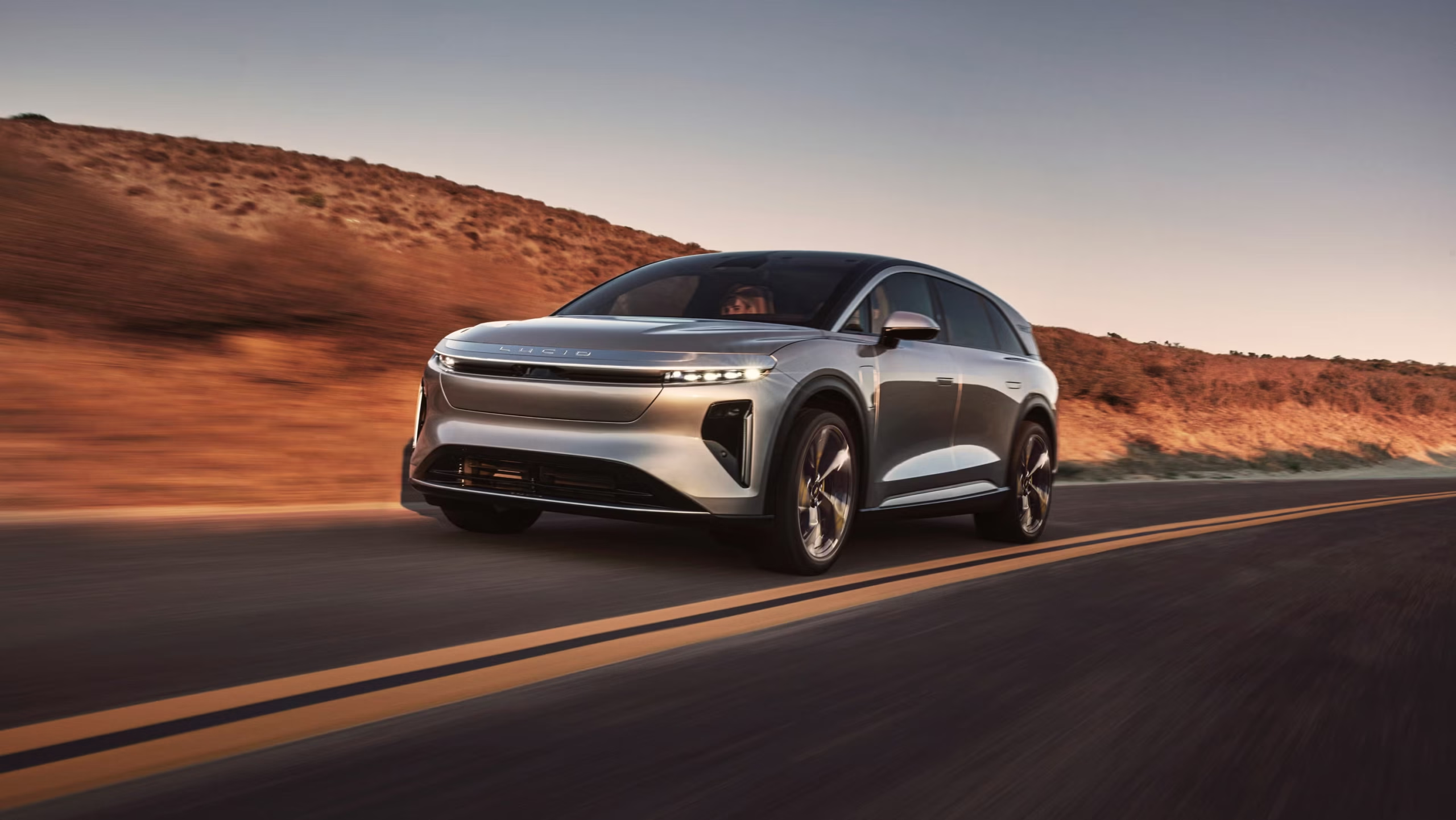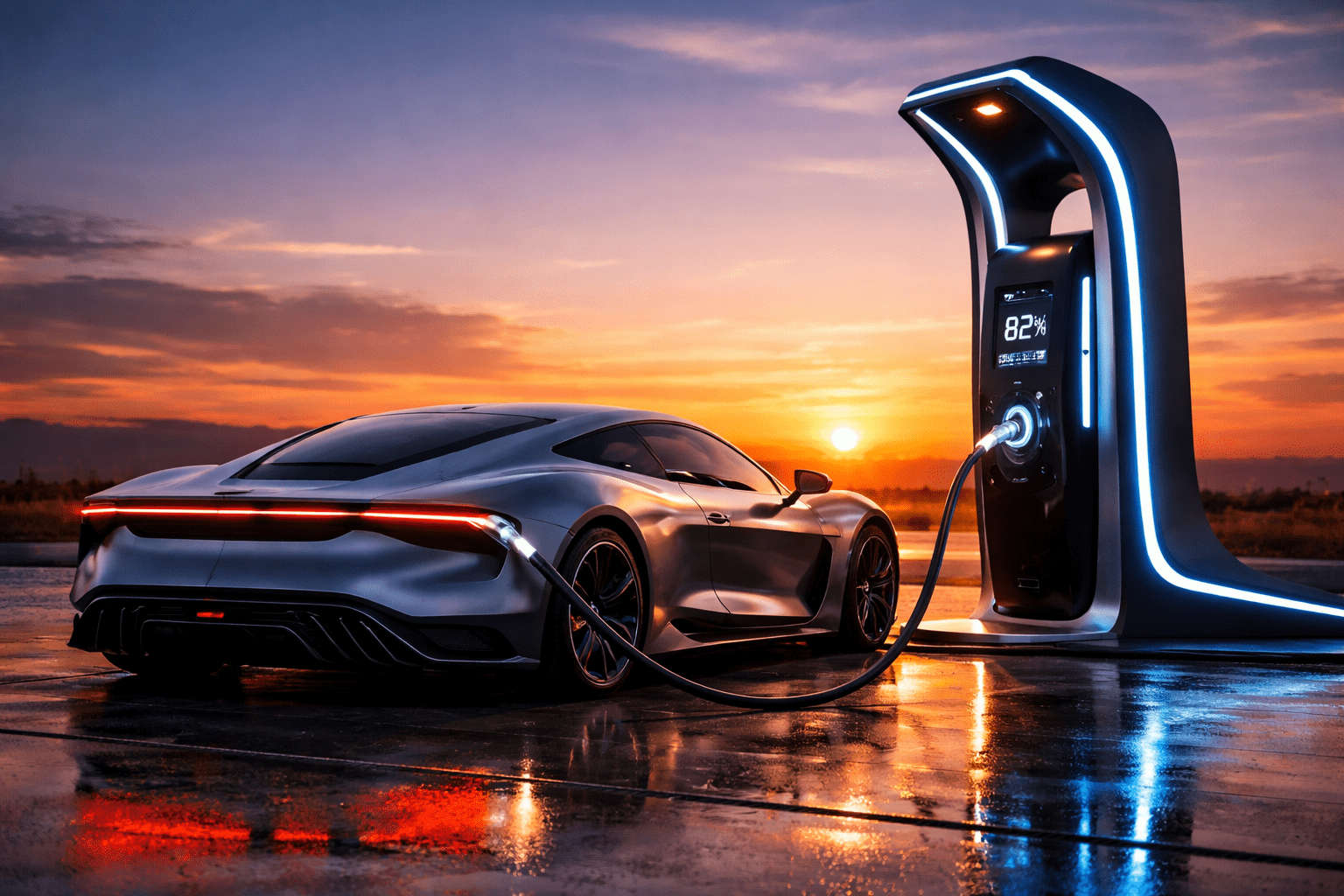

The electric vehicle (EV) revolution has completely transformed how we commute, but for years, drivers have faced two massive hurdles: range anxiety and slow charging times. Welcome to the ultimate solution. Solid-State Battery EVs have finally transitioned from a futuristic concept into an everyday reality, and they are taking the automotive world by storm.
In 2026, major car manufacturers are completely abandoning old battery formats to embrace this revolutionary technology. Whether you are a daily commuter, a tech enthusiast, or someone looking to buy their next car, understanding this technology is crucial. In this comprehensive guide, we will explore what these incredible vehicles are, how they work, and why they represent the absolute future of driving.
What Are Solid-State Battery EVs?
To understand why Solid-State Battery EVs are such a massive breakthrough, we first need to look at traditional electric cars. Most standard electric vehicles from the past decade used Lithium-ion (Li-ion) batteries. These older batteries relied on a “liquid electrolyte” to move energy back and forth. While effective, liquid electrolytes are heavy, flammable, and degrade over time.
Solid-state batteries, on the other hand, replace this messy liquid with a solid conductive material—like ceramics, glass, or solid polymers. This single engineering change drastically increases the energy density of the battery.
In simple terms: it allows car manufacturers to pack significantly more power into a much smaller, lighter, and safer space. If you want to understand the deep chemical engineering behind this, check out this excellent breakdown onWikipedia’s Solid-State Battery page.
5 Incredible Benefits of Solid-State Battery EVs
Upgrading to this new technology is like upgrading from a bulky old dial-up telephone to the latest 5G smartphone. Here are the top five incredible reasons why these vehicles are dominating the roads:
1. Unprecedented Driving Range (Say Goodbye to Range Anxiety)
The biggest fear for traditional EV owners was “range anxiety”—the fear of running out of battery in the middle of nowhere. Because solid-state batteries have a much higher energy density, they can store roughly twice as much energy as lithium-ion batteries of the exact same size.
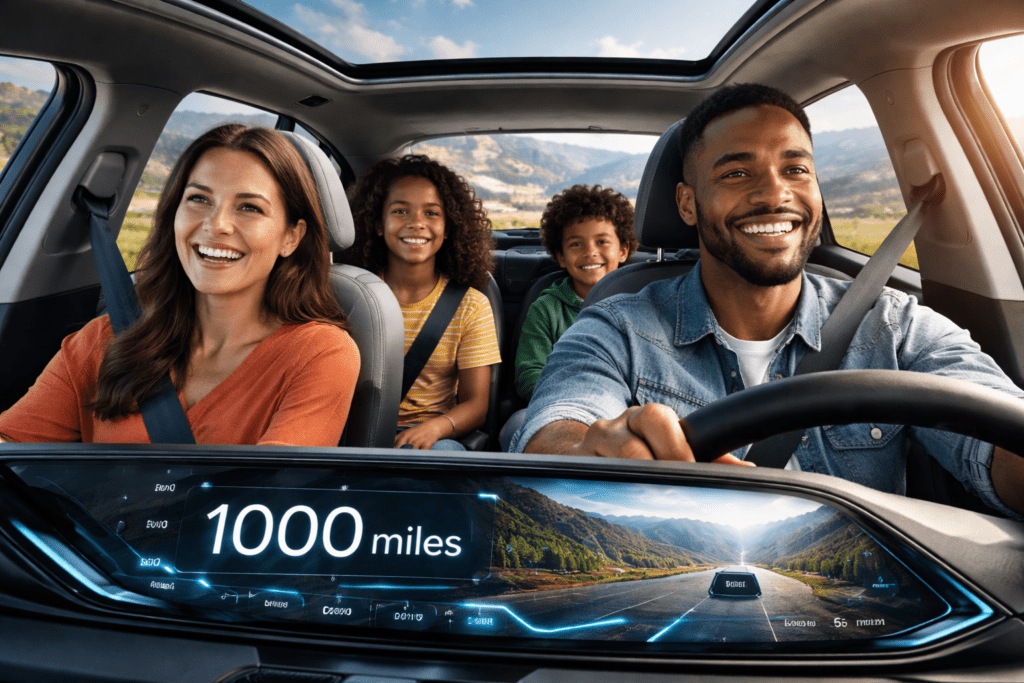
Today, high-end Solid-State Battery EVs can easily achieve 600 to 800 miles (about 1,000 to 1,200 kilometers) on a single full charge. This means you can drive from New York to Chicago, or Paris to Berlin, without ever needing to stop and plug in your car.
2. Ultra-Fast Charging Times
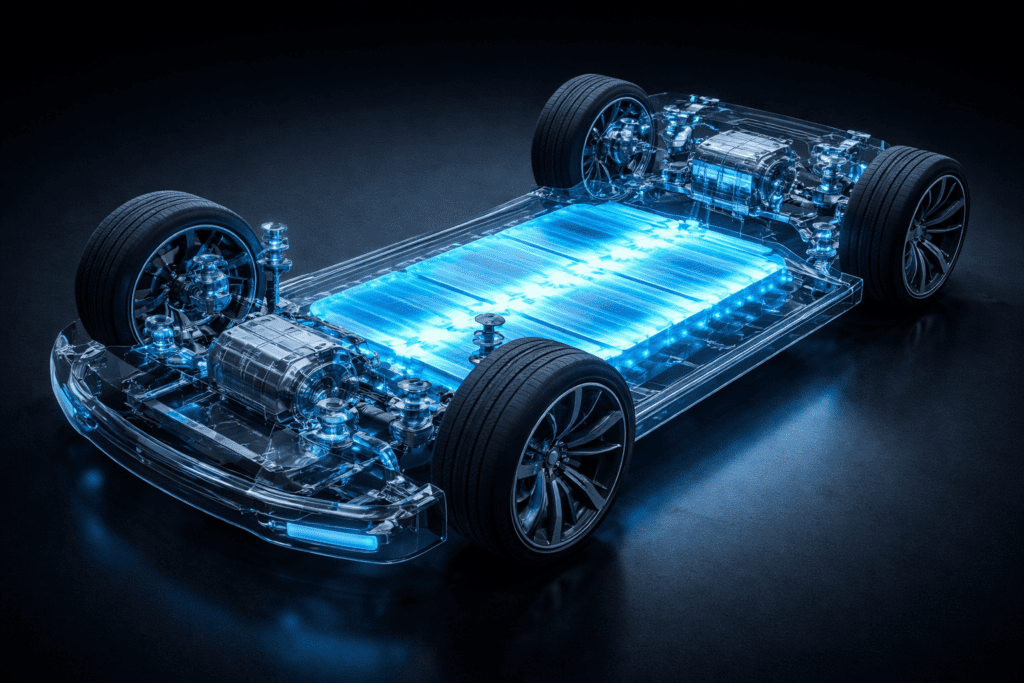
Even with fast chargers, older EVs often took 30 to 45 minutes to get a decent charge. For busy professionals, this was a massive waste of time. Solid-state technology handles heat and electrical currents much better than liquid batteries.
Because of this, you can now charge your vehicle from 10% to 80% in less than 10 minutes. It is literally as fast as pumping a full tank of traditional gasoline!
Example: “If you love reading about futuristic machines, don’t forget to check out our recent post on 10 Essential Car Maintenance Tips for Better Mileage
3. Maximum Safety and Zero Fire Risk
You may have seen news stories in the past about lithium-ion electric cars catching fire after a severe crash. Liquid electrolytes are highly flammable. If the battery is punctured, it can cause a thermal runaway event.
By replacing the liquid with solid materials (like fire-resistant ceramics), Solid-State Battery EVs virtually eliminate the risk of battery fires. Even if the battery is physically damaged or punctured in a highway collision, it will not explode or burst into flames. This makes them the safest vehicles ever built in human history.
4. Lighter Cars and Better Performance
Car weight heavily impacts speed, handling, and tire wear. Because solid-state battery packs are so much smaller and lack the heavy cooling systems required by older EVs, the overall weight of the car is drastically reduced.
A lighter car means better aerodynamics, faster 0-60 mph acceleration times, and significantly less wear and tear on your expensive tires. Sports car manufacturers are utilizing this technology to create lightweight electric hypercars that handle perfectly on the race track.
5. Longer Lifespan and Extreme Durability
If you owned a smartphone or an older EV, you know that batteries lose their capacity over time. After five years, an old battery might only hold 80% of its original charge.
Solid-state batteries do not suffer from the same chemical degradation. Testing shows that they can go through thousands of charging cycles while retaining 95% or more of their original capacity. This means your car’s battery could easily outlast the physical chassis of the car itself!
Top Automakers Leading the Revolution in 2026
The race to mass-produce Solid-State Battery EVs has been fiercely competitive. Major players have heavily invested billions of dollars into research and development to bring this to consumers.
Toyota: A massive pioneer in this space, Toyota holds the most patents for solid-state technology and has already begun rolling out premium models with 700+ mile ranges.
Volkswagen & QuantumScape: Backed by heavy investments, this partnership has successfully integrated solid-state cells into mass-market European vehicles, making the technology affordable for the middle class.
Nissan: Committed to an entirely solid-state lineup by 2028, Nissan has already launched prototype factories that are producing these incredible batteries at scale.
To see what the global leaders are saying about the future of transportation, you can read the latest reports from the International Energy Agency (IEA).
Are There Any Challenges Left?
While the technology is incredible, it is not without a few growing pains. The primary challenge facing Solid-State Battery EVs today is the manufacturing cost. Producing flawless ceramic or glass layers at a massive, microscopic scale requires highly specialized and expensive factory equipment.
However, thanks to artificial intelligence and automated robotic assembly lines, the cost per kilowatt-hour (kWh) is dropping rapidly every single month. By 2028, experts predict that solid-state vehicles will be cheaper to manufacture than traditional gas-powered cars.
Conclusion
The automotive industry is experiencing a once-in-a-lifetime transformation. The rapid rise of Solid-State Battery EVs represents the death of range anxiety, the end of long charging waits, and a massive leap forward for environmental sustainability.
If you are currently in the market for a new car, or planning to buy one in the near future, keeping an eye on solid-state technology is a must. We are no longer waiting for the future of transportation—it is already parked in our driveways.