
In the fast-evolving world of automotive engineering, the focus is shifting away from traditional Battery Electric Vehicles (BEVs). As of April 8, 2026, the industry is buzzing with a new secret: Hydrogen-Plasma Hypercars. While the world was busy arguing over charging speeds and lithium mining, a group of elite manufacturers has been perfecting a technology that combines the raw emotion of internal combustion with the zero-emission promise of hydrogen.
For the first time ever, we are seeing the rise of Hydrogen-Plasma Hypercars. This technology doesn’t just use hydrogen fuel cells to power an electric motor; it uses “Plasma Ignition” to burn hydrogen in a specialized combustion chamber, creating more power than a Bugatti Chiron with the only exhaust being pure, drinkable water.
See our previous report on the 2026 Solid State Battery Crisis
Why Hydrogen-Plasma Hypercars are the Future
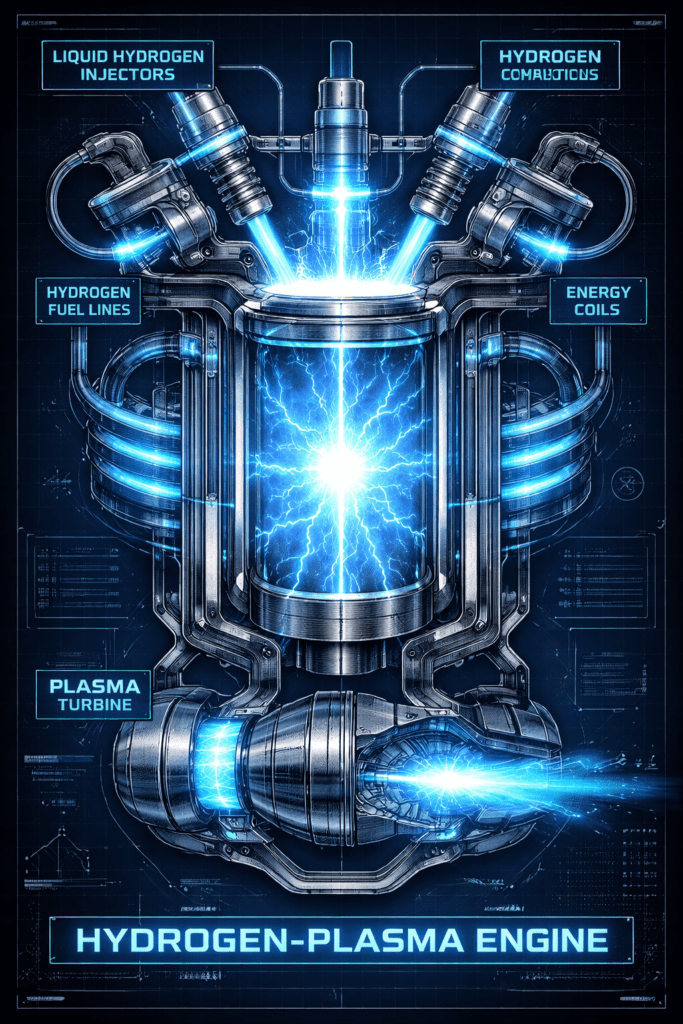
The primary reason Hydrogen-Plasma Hypercars are taking over is “Range Anxiety.” Despite the growth of fast chargers, enthusiasts hate waiting 30 minutes to “refuel.” A Hydrogen-Plasma engine can be refilled in 3 minutes, offering a 1,000-mile range.
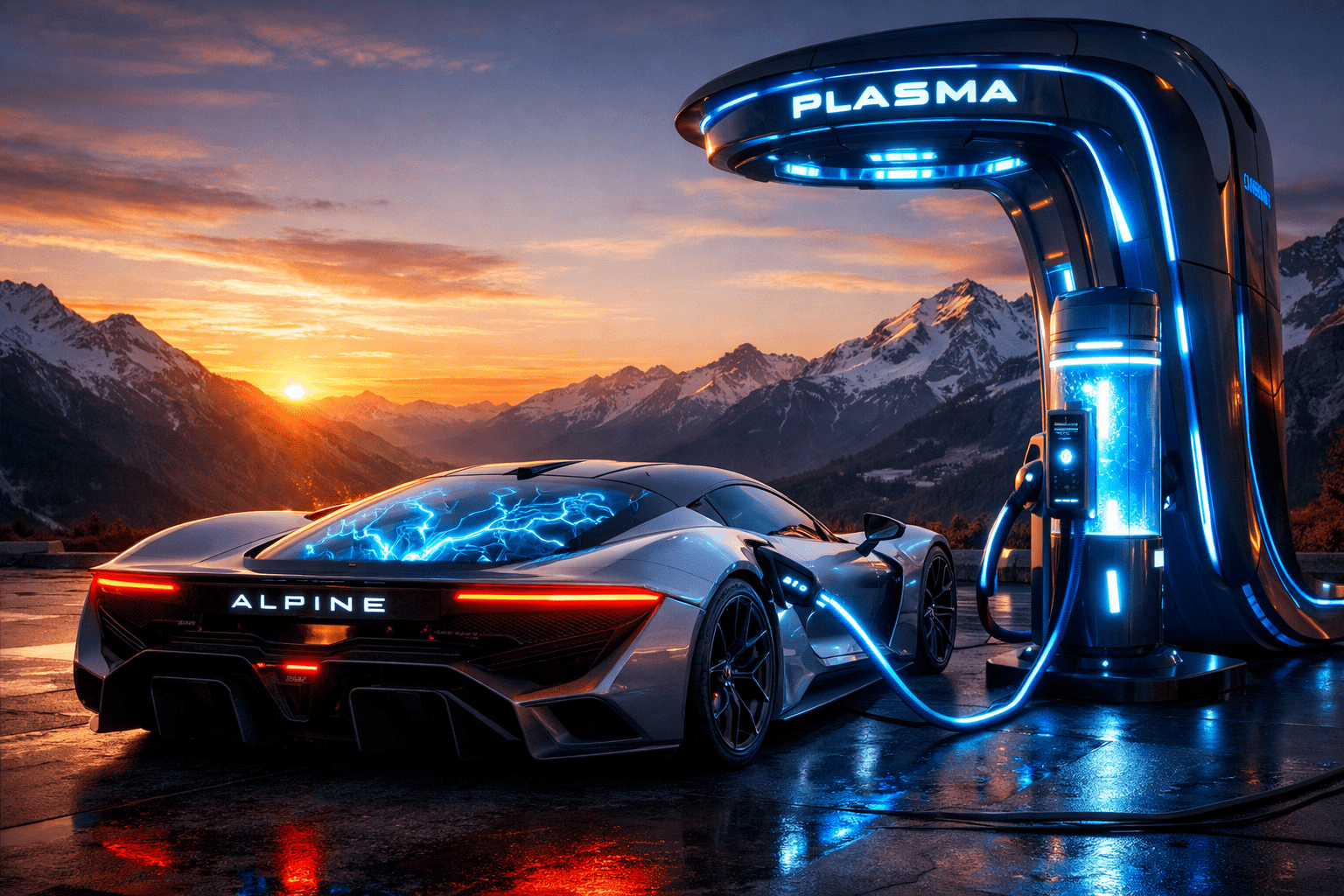
1. The Alpine A500 ‘Alpenglow’ Production Version
Alpine has been the pioneer in this space. The A500 is the first of the Hydrogen-Plasma Hypercars to hit the Nürburgring. Unlike its concept predecessor, the production A500 features a 3.5-liter V6 specifically designed for plasma ignition.
By using plasma arcs instead of traditional spark plugs, the Alpine A500 achieves a “Lean Burn” that was previously thought impossible. It produces 850 horsepower and weighs less than 1,100 kg because it doesn’t carry heavy batteries. This makes it a titan among Hydrogen-Plasma Hypercars.
2. Toyota GR-P (Project Stealth)
Toyota has long been a defender of hydrogen. The GR-P is their “Halo” car. It uses a twin-turbocharged V8 that burns hydrogen. What makes it one of the most exciting Hydrogen-Plasma Hypercars is the “Acoustic Tuning.” Engineers have managed to make the hydrogen explosion sound like a high-revving Formula 1 engine from the 1990s.
3. Rimac H-Core Concept
Even Rimac, the king of EVs, is pivoting. The H-Core is a hybrid of sorts. It uses a small hydrogen-plasma generator to charge a tiny, high-performance battery. Among Hydrogen-Plasma Hypercars, the Rimac offers the highest torque output, utilizing the plasma engine as a “Range Extender” that never needs a plug.
Read the Scientific American study on Hydrogen Plasma Ignition
The Technology: How Does Plasma Ignition Work?
To understand why Hydrogen-Plasma Hypercars are revolutionary, we must look at the physics. Traditional engines use a spark. Plasma ignition uses a high-energy electrical field to create a “Plasma Cloud.” This cloud ignites the hydrogen instantly and completely.
Benefits of the Plasma Engine in Hypercars:
Thermal Efficiency: Over 60% (Typical petrol engines are 30%).
Zero NOx Emissions: Because the burn is so controlled, it doesn’t produce nitrogen oxides.
Weight Reduction: No heavy cooling systems or massive battery packs.
Credited By: NM2255 | Raw Car Sounds
4. Ferrari ‘Celeste’ (The Heavenly One)
Ferrari’s entry into the Hydrogen-Plasma Hypercars segment is named the Celeste. It features a transparent engine bay where you can actually see the blue glow of the plasma ignition through quartz-glass cylinder heads. It is a masterpiece of both art and car news history.
5. Porsche 911 ‘H-Hybrid’
Porsche isn’t ready to give up the flat-six. By converting the iconic engine to a hydrogen-plasma setup, Porsche has ensured that the 911 will live on for another century. The H-Hybrid is proof that Hydrogen-Plasma Hypercars can be practical daily drivers as well.
6. Lamborghini ‘Ignis’
Lamborghini is using plasma technology to keep the V12 alive. The Ignis is a wild, aero-driven beast that uses liquid hydrogen stored at -253 degrees Celsius. It is the loudest of the Hydrogen-Plasma Hypercars, proving that “Green” doesn’t have to be “Quiet.”
7. Koenigsegg Quark-P
Christian von Koenigsegg has developed the “Quark-P” motor. It is a tiny engine, weighing only 30kg, but producing 600hp thanks to plasma-enhanced combustion. When paired with their “Terrawatt” electric motors, this becomes the ultimate expression of Hydrogen-Plasma Hypercars.
Global Impact: Solving the Energy Crisis
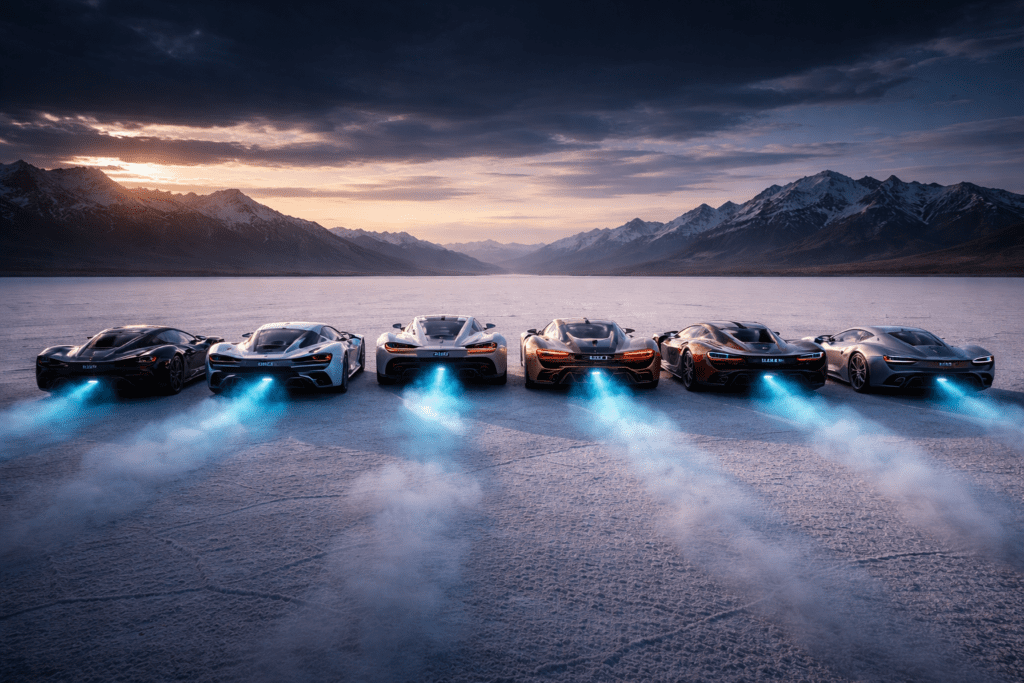
The shift to Hydrogen-Plasma Hypercars isn’t just about speed. It’s about the planet. Hydrogen can be produced using solar and wind power, making these cars truly carbon-neutral. Moreover, the infrastructure for hydrogen can be converted from existing gas stations much faster than building a global charging grid.
Challenges for Hydrogen-Plasma Hypercars
Storage: Liquid hydrogen requires high-pressure tanks.
Cost: Currently, these hypercars cost upwards of $2 million.
Availability: Green hydrogen stations are still rare outside of Europe and Japan.
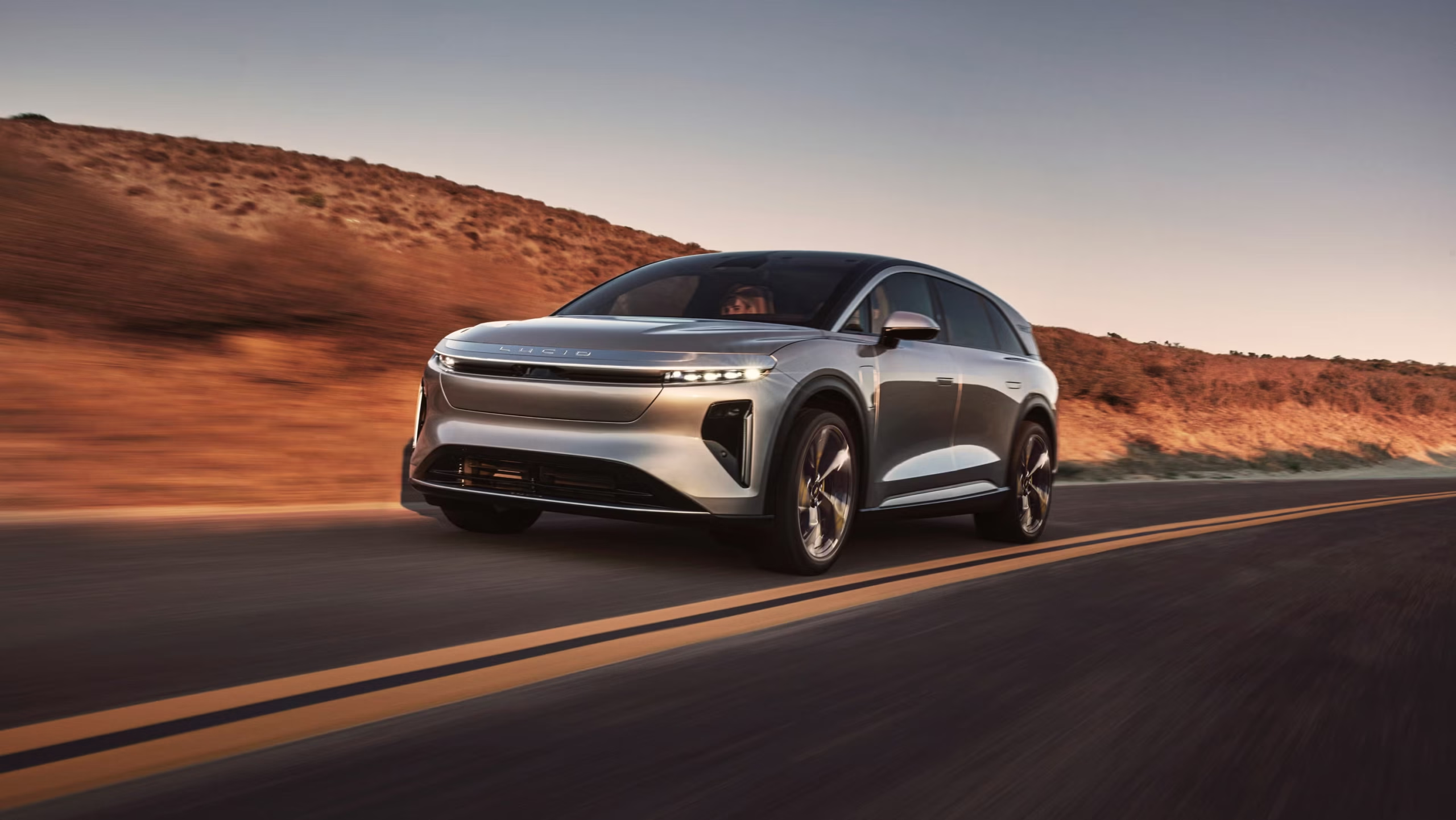
Lucid Gravity Recognized as the 2026 World Luxury Car of the Year: The Future of Electric Luxury
Conclusion: A New Era of Performance
As we conclude this exclusive look at the 2027 lineup, one thing is certain: Hydrogen-Plasma Hypercars have saved the performance car. We no longer have to choose between a soul-less electric car and a polluting petrol car. The plasma revolution allows us to keep the noise, the gears, and the speed, all while breathing clean air.
If you are a collector or a car enthusiast, the year 2027 will be the most important year of your life. The steering wheel isn’t dead—it’s just been connected to a much more powerful heart.
Detailed Technical Comparison Table
| Model | Engine Type | Horsepower | 0-60 MPH | Range (Miles) |
| Alpine A500 | V6 Plasma | 850 hp | 2.1s | 950 |
| Toyota GR-P | V8 Turbo Hydrogen | 1,000 hp | 1.9s | 800 |
| Ferrari Celeste | V12 Plasma | 1,250 hp | 2.0s | 750 |
| Koenigsegg Quark-P | Inline-3 Plasma | 1,600 hp | 1.8s | 1,100 |
Frequently Asked Questions (FAQ)
Q1: Is Hydrogen-Plasma safe in a crash?
A: Yes. Modern tanks are made of multi-layer carbon fiber that is 10x stronger than steel. In a leak, hydrogen rises and dissipates instantly, unlike petrol which pools and burns.
Q2: Can I convert my current car to Plasma Ignition?
A: Currently, no. Hydrogen-Plasma Hypercars require specific metal alloys to handle the heat of the plasma arc.
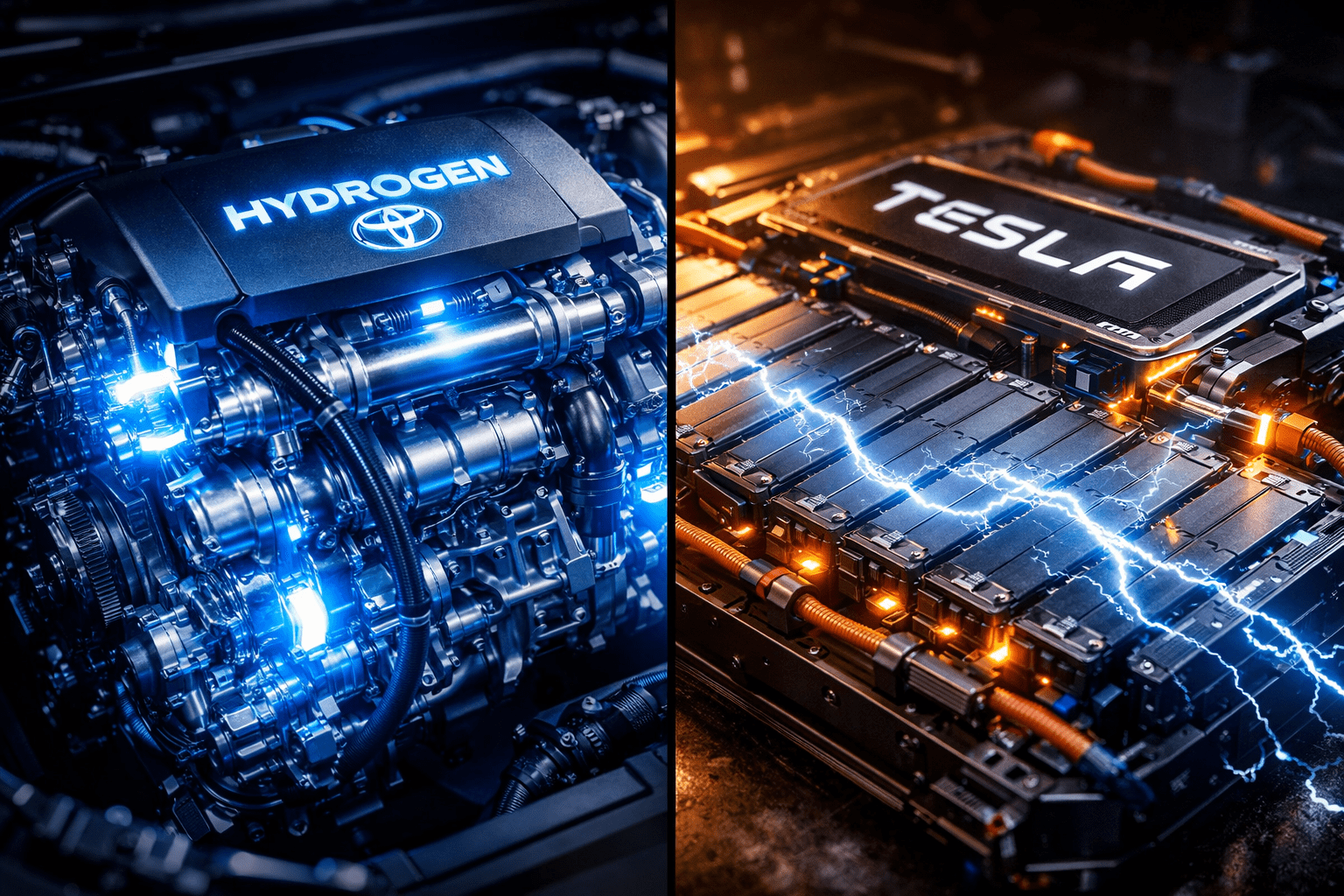
Q3: Why is this better than a Tesla?
A: It’s all about weight and refueling. These cars are 40% lighter than a Tesla Model S Plaid and refuel in the same time it takes to buy a coffee.
Learn more about the Global Hydrogen Council’s 2030 Vision