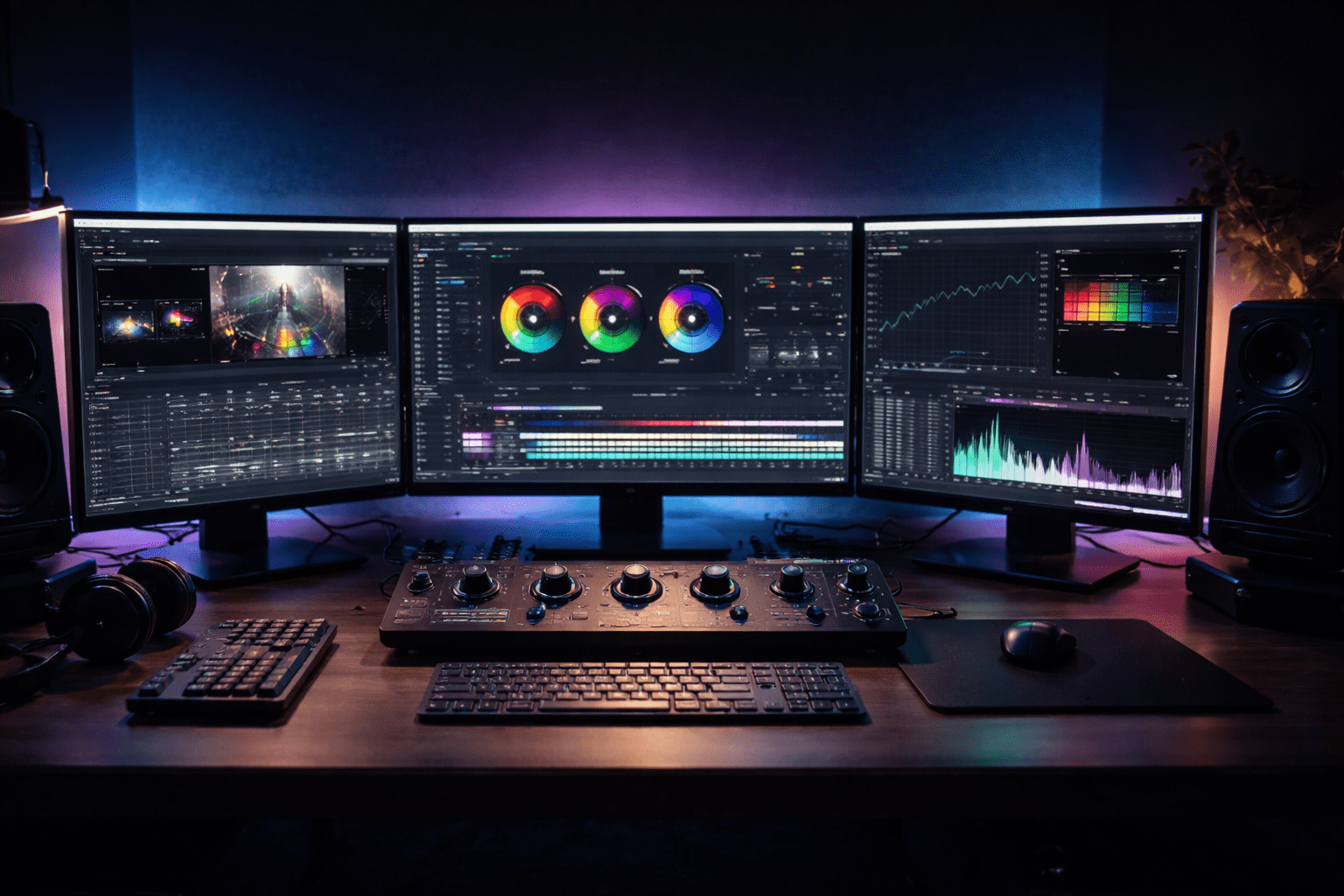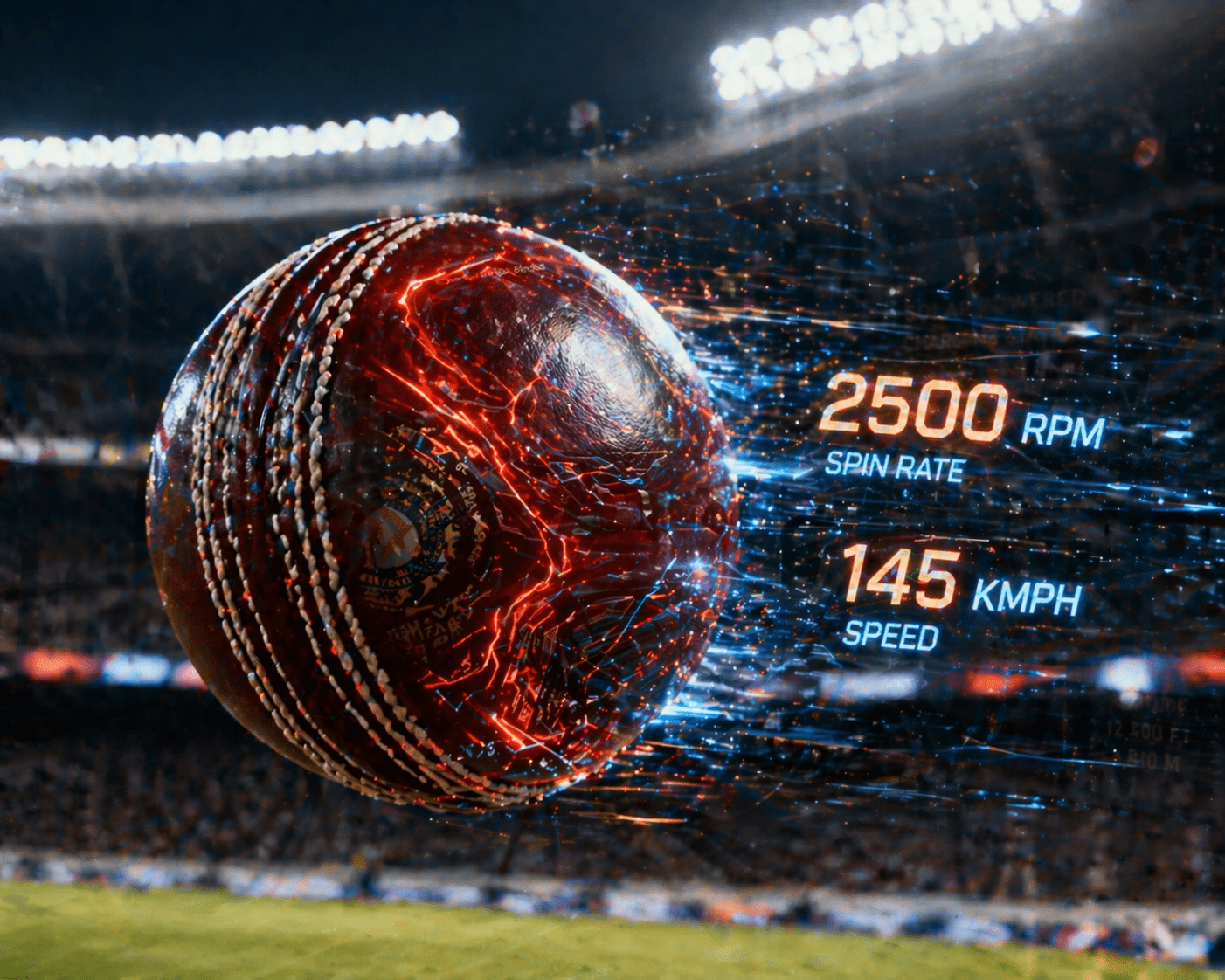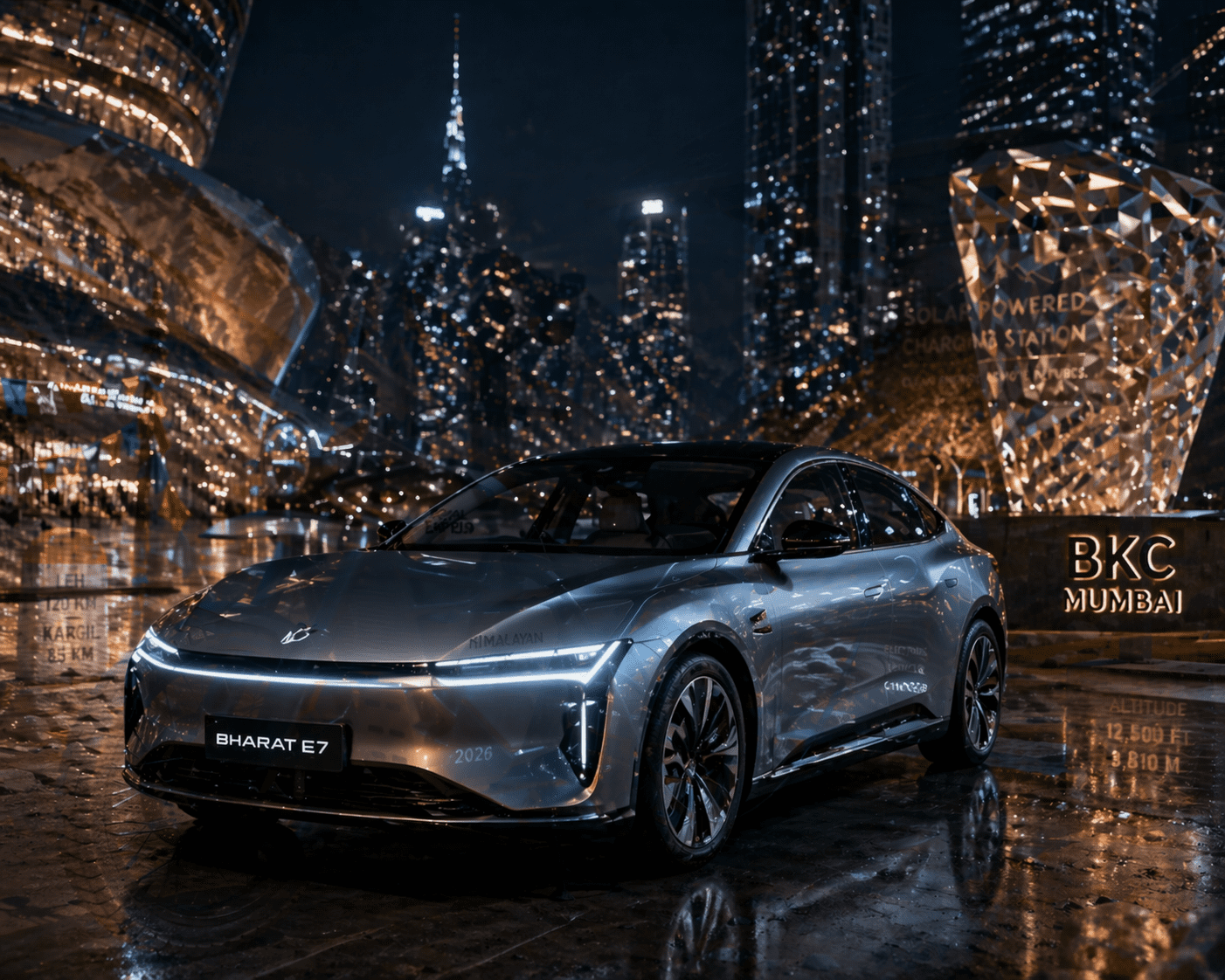

Welcome to 2026, where the boundary between imagination and reality has completely dissolved. We are currently living in the heart of the Text-to-Video AI Revolution. Just two years ago, creating a 60-second cinematic video required a full production crew, expensive cameras, and weeks of editing. Today, thanks to the Text-to-Video AI Revolution, all you need is a clear thought and a few lines of text.
Leading this charge is OpenAI’s Sora (v3 in 2026), alongside competitors like Kling, Luma, and Runway. These tools have democratized high-end filmmaking, allowing anyone to be a director. In this guide, we will explore how you can leverage the Text-to-Video AI Revolution to create professional-grade content in mere seconds.
What is the Text-to-Video AI Revolution?
The Text-to-Video AI Revolution refers to the rapid advancement of generative AI models that can translate natural language descriptions into high-definition, physics-compliant video clips. In 2026, these models don’t just “stitch images together”; they understand lighting, gravity, and character consistency, making the Text-to-Video AI Revolution a legitimate threat and tool for Hollywood-level productions.
1. Mastering the Art of Prompting
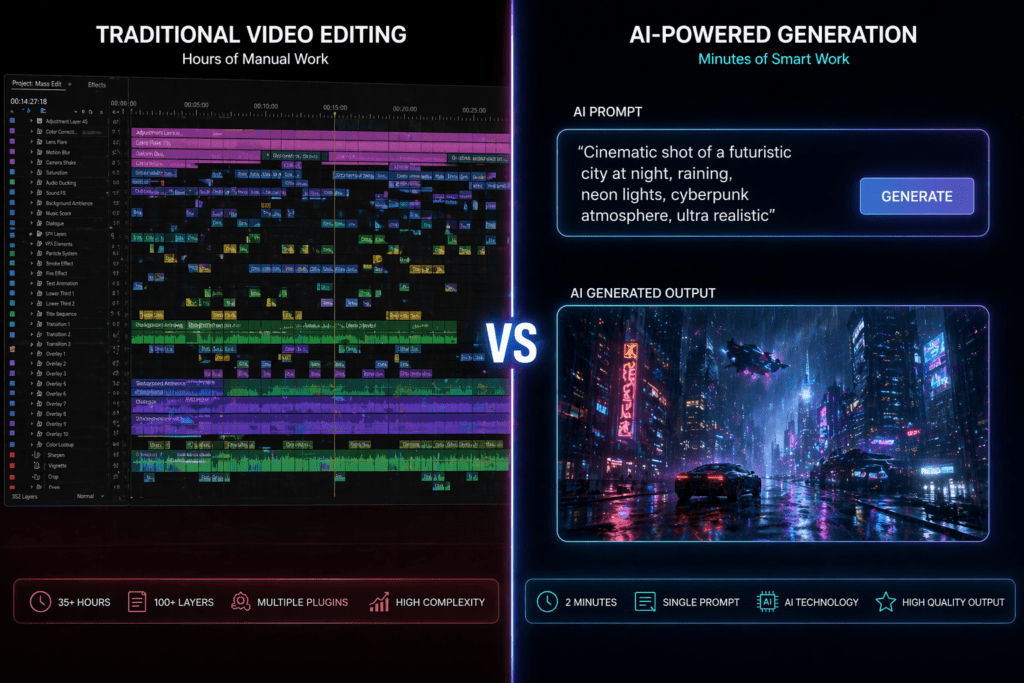
To truly benefit from the Text-to-Video AI Revolution, you must become a “Prompt Engineer.” In 2026, simple prompts like “cat running” are for amateurs. To get professional results, you need to specify:
Cinematography: “Shot on 35mm film, anamorphic lens.”
Lighting: “Golden hour, volumetric fog, rim lighting.”
Motion: “Slow-motion tracking shot with a low-angle perspective.”
The more detailed your prompt, the better the Text-to-Video Revolution serves your vision.
2. Real-Time Iteration and Refinement
In 2026, the Text-to-Video AI Revolution has introduced “Interactive Generation.” Tools like Sora now allow you to change the weather, the actor’s clothes, or the background of a video after it has been generated. This non-destructive editing is a key pillar of the Text-to-Video Revolution, saving hundreds of hours in reshoots.
(For more tips on modern production tools, visit our Video Editing section.)
3. Physics-Accurate Storytelling
One of the major breakthroughs in the Text-to-Video AI Revolution during 2025-2026 was “Physics Grounding.” AI models now understand how water splashes, how hair moves in the wind, and how light refracts through glass. This realism is why the Text-to-Video AI Revolution is now being used for high-budget TV commercials and architectural visualizations.
4. Cost Reduction for Small Creators
Before the Text-to-Video Revolution, a high-quality video ad could cost ₹50,000 to ₹5,00,000. In 2026, a small business owner can use the Text-to-Video Revolution to generate a world-class advertisement for the price of a monthly software subscription. This shift is the most empowering aspect of the Text-to-Video AI Revolution.
5. The Integration with VR and AR
In 2026, the Text-to-Video AI Revolution isn’t just for flat screens. You can now generate 360-degree spatial videos for headsets like the Apple Vision Pro or Meta Quest 4. Being able to “walk into” a video you just typed into existence is the ultimate peak of the Text-to-Video Revolution.
For a deep dive into the official technical safety and ethics of AI video, visit the OpenAI Sora Research Page.
Ethics and Responsibility in 2026
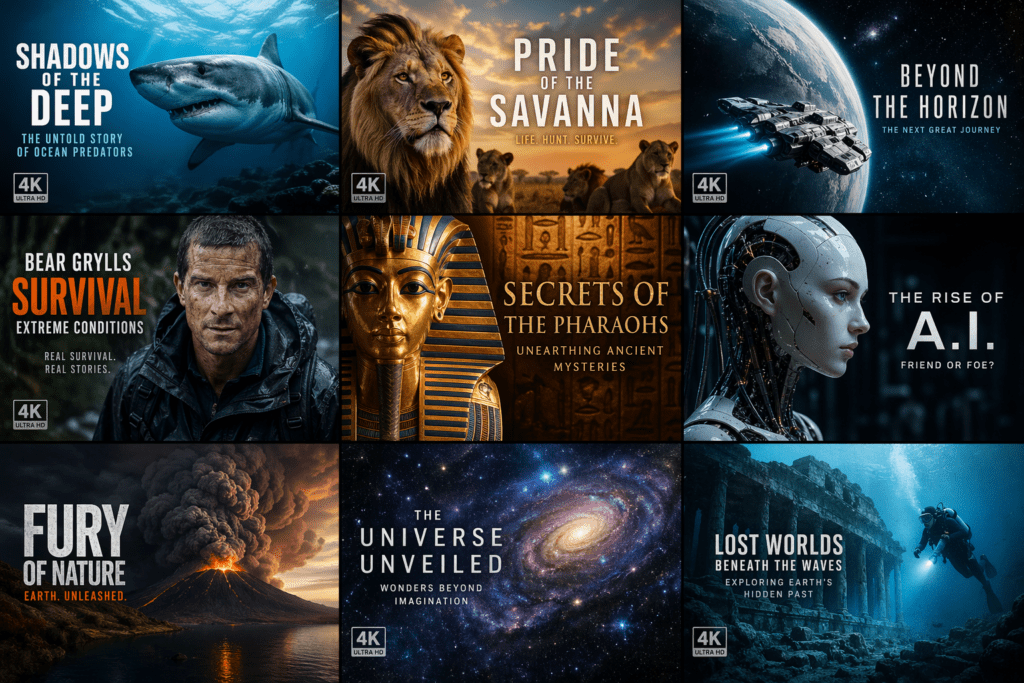
While we celebrate the Text-to-Video AI Revolution, it comes with a responsibility. In 2026, every AI-generated video is legally required to carry a digital watermark (C2PA standard). As a creator, it is vital to use the Text-to-Video Revolution for creativity rather than misinformation.
How to Get Started in Seconds
Select your tool: Choose from Sora, Kling, or Runway Gen-4.
Describe your scene: Focus on the “vibe” and “technical specs.”
Generate & Refine: Use the AI’s “Editor Mode” to tweak the details.
Export: In 2026, 8K resolution is the standard export for the Text-to-Video Revolution.
Conclusion
The Text-to-Video AI Revolution has turned every storyteller into a filmmaker. It has removed the barriers of budget and technical skill, leaving only the power of the idea. As the Text-to-Video Revolution continues to evolve, those who embrace these tools will lead the next decade of digital entertainment.
Are you ready to direct your first AI masterpiece? The Text-to-Video Revolution is waiting for your first command.