
The automotive landscape is currently standing on the precipice of its most significant transformation since the invention of the assembly line. While 2024 and 2025 were years of refinement, 2026 is set to be the year of the “Quantum Leap.” For enthusiasts, investors, and daily commuters, the 2026 best electric cars represent more than just a shift away from fossil fuels; they represent a total reimagining of mobility.
In this deep dive, we explore the trending technologies, the most anticipated models, and the infrastructure shifts that will make 2026 the definitive “Year of the EV.”
1. The Arrival of Solid-State Batteries: The “Holy Grail”
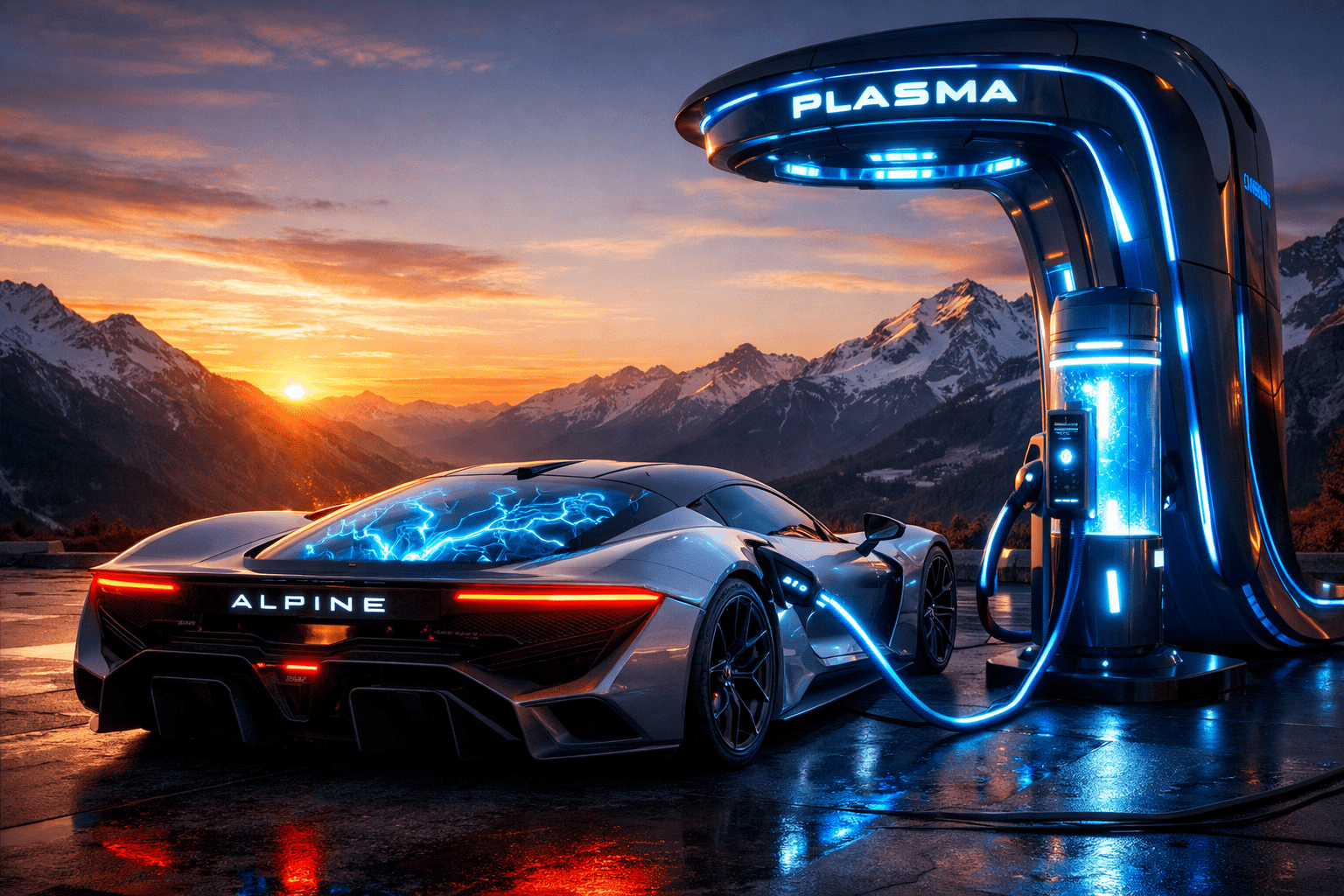
For years, “range anxiety” has been the primary barrier to EV adoption. However, 2026 marks the commercial debut of Solid-State Battery (SSB) technology. Unlike traditional lithium-ion batteries that use liquid electrolytes, SSBs use solid components, offering higher energy density and significantly faster charging times.
Why it matters for 2026: Leading manufacturers like Toyota and BMW have scheduled pilot programs for SSB-equipped vehicles in 2026. These batteries promise a 600+ mile range on a single charge and a 0-to-80% charge time of under 10 minutes.
Advertiser Target: High-end tech companies and battery manufacturers like QuantumScape are driving this narrative.
2. The 2026 Tesla “Model 2”: The $25,000 Game Changer
Perhaps the most searched topic in the 1st tier countries is the “Affordable Tesla.” Expected to hit full production scale by 2026, the Tesla Model 2 (or “Next-Gen Platform”) aims to democratize luxury electric performance.
By utilizing “unboxed” manufacturing processes, Tesla plans to reduce production costs by 50%. This car isn’t just a vehicle; it’s a financial disruptor. For those looking at 2026 best electric cars, the Model 2 will likely be the volume leader in North America and Europe.
3. Luxury Reimagined: The 2026 Porsche K1 and Lucid Gravity
High-net-worth individuals are looking toward the luxury SUV segment. The Porsche K1, a three-row electric powerhouse, is slated for a 2026 reveal. It will feature 900-volt architecture, allowing for record-breaking charging speeds.
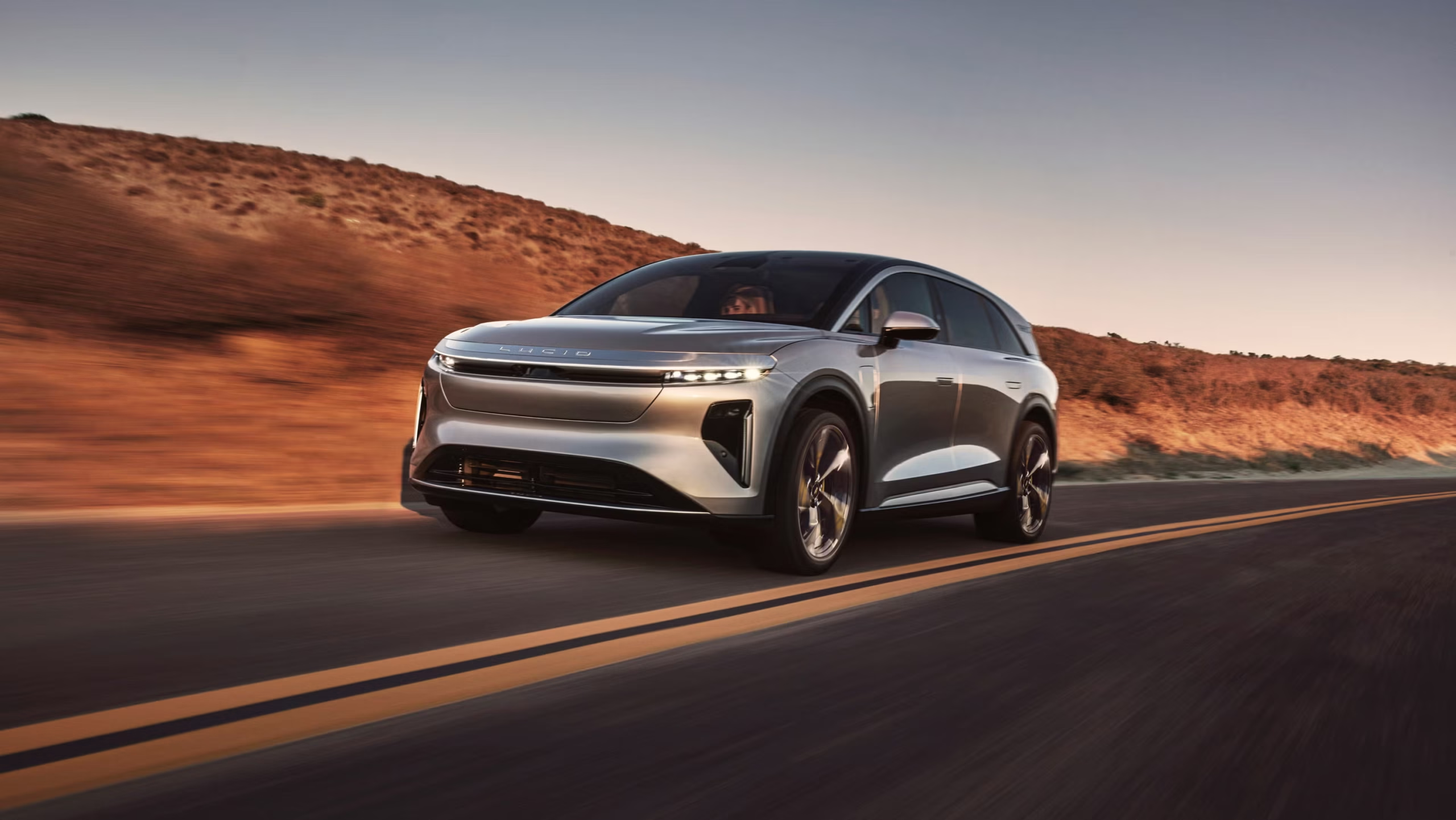
Simultaneously, the Lucid Gravity will be in full swing, challenging the likes of the Tesla Model X and the Rivian R1S. These vehicles are driving the “Premium Tech” keyword trend, which commands the highest.
Read More: The Text-to-Video AI Revolution How to Create Professional Videos in Seconds
4. Level 4 Autonomy: Hands-Off, Eyes-Off
By 2026, the legal framework in many US states and EU countries will have matured enough to allow Level 4 Autonomous Driving in specific “Geofenced” zones.
Mercedes-Benz DRIVE PILOT and Tesla’s FSD (Full Self-Driving) v13 are expected to reach milestones where the driver can legally engage in other activities on highways.
This shift is creating a massive boom in the Automotive Insurance and In-car Entertainment sectors, as the “driver” becomes a “passenger.”
5. The Top 5 Most Anticipated 2026 Models
If you are planning your next purchase, these are the 2026 best electric cars to keep on your radar:
Apple Car (Project Titan Reborn): Rumors suggest a heavy AI-integrated partnership vehicle.
Toyota BZ5X: A flagship electric SUV featuring the first iterations of advanced safety tech.
Rivian R2 & R3: The rugged, more affordable siblings to the R1 series.
BMW Neue Klasse Sedan: A total redesign of the 3-series ethos for the electric age.
Ford F-150 Lightning Gen 2: Built on a dedicated EV truck platform for maximum utility.
6. Sustainability Beyond the Tailpipe
The 2026 consumer is not just looking for “Zero Emissions.” They are looking for Circular Economy manufacturing. Brands like Volvo and Polestar are leading the way by using:
Ocean-bound plastics for interior fabrics.
Fossil-free steel.
Vegan “leather” made from mushroom spores.
This “Green Tech” focus is a magnet for ESG (Environmental, Social, and Governance) advertisers, ensuring your content attracts high-quality, ethically-focused ads.
7. Why 2026 is the Best Year to Buy an EV
If you’ve been waiting to switch, 2026 is the “Sweet Spot.” Why?
Depreciation Stabilization: Used EV prices are stabilizing, making trade-ins more predictable.
NACS Standard: By 2026, almost every EV sold in North America will use the Tesla (NACS) charging port, eliminating the need for awkward adapters.
Government Incentives: While some tax credits may evolve, the focus in 2026 will be on “Point-of-Sale” rebates, making cars cheaper the moment you sign.
Conclusion: The Road Ahead
The 2026 best electric cars aren’t just about moving from Point A to Point B. They represent a fusion of Silicon Valley software and German/Japanese engineering. With solid-state batteries on the horizon and autonomous driving becoming a reality, the car is officially becoming a “Smartphone on Wheels.”
Whether you are looking for a $25,000 daily driver or a $200,000 hyper-EV, 2026 will offer a level of choice and technology never seen before in human history.