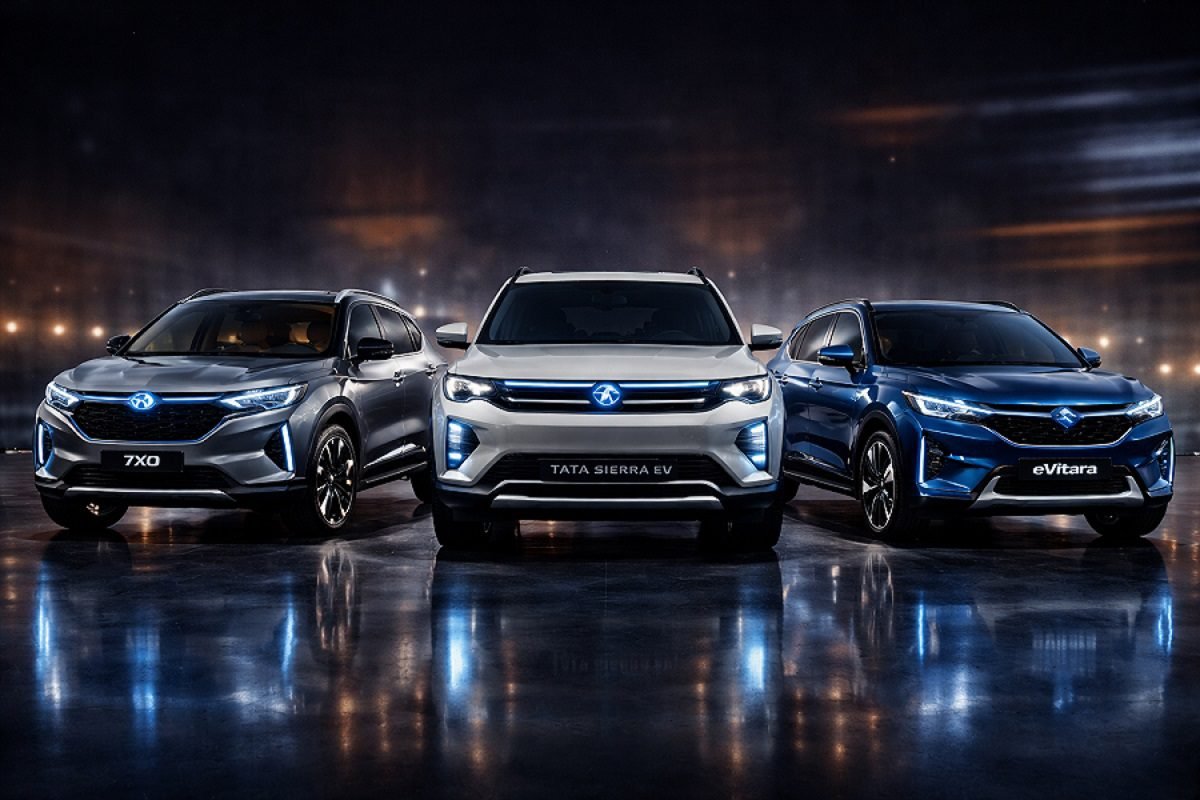
The Indian automotive industry is currently witnessing a tectonic shift. As the nation moves away from internal combustion engines, the race to provide the most capable, stylish, and affordable electric vehicle (EV) has reached a fever pitch. At the center of this revolution is the JSW Chery partnership India, a strategic alliance between the Indian industrial giant JSW Group and the global automotive powerhouse Chery Automobile.
The first fruit of this collaboration is set to be a game-changer: the JSW Chery iCar V23. This rugged, boxy, and ultra-modern SUV isn’t just another EV; it’s a statement of intent. In this exhaustive guide, we will analyze the JSW Chery iCar V23 launch date, dive deep into the JSW iCar V23 electric SUV specifications, compare it with local champions, and provide a 10-year cost-of-ownership breakdown to see if it truly is one of the best electric SUVs under 20 lakh in India.
1. The Lineage: A Detailed History of Chery Automobile
To understand why the iCar V23 is so highly anticipated, one must look at the heritage of its creator. Chery Automobile, founded in 1997 in Wuhu, China, has grown from a local startup into a global engineering leader.
Global Footprint and Engineering Excellence
Chery has been China’s top passenger car exporter for over 21 consecutive years. Their vehicles are sold in over 80 countries. What sets Chery apart is its focus on R&D. They developed the “ACTECO” engine series and the “Lion” intelligent cloud platform, which are benchmarks in automotive technology.
The Jaguar Land Rover (JLR) Influence
In 2012, Chery established a 50:50 joint venture with Jaguar Land Rover. This partnership was a turning point. Chery engineers gained access to high-end manufacturing processes and sophisticated off-road suspension tuning. The “boxy” yet premium design language seen in the JSW Chery iCar V23 is a direct reflection of this Land Rover influence combining ruggedness with high-tech luxury.
JSW’s Entry into the Market
By forging the JSW Chery partnership India, JSW Group (led by Sajjan Jindal) is leveraging its massive domestic industrial might in steel and green energy. This ensures that the vehicles brought to India are not just “imported” but “localized” to meet the unique demands of Indian roads and weather.
2. JSW Motors Chery iCar V23: Design and Performance Specs
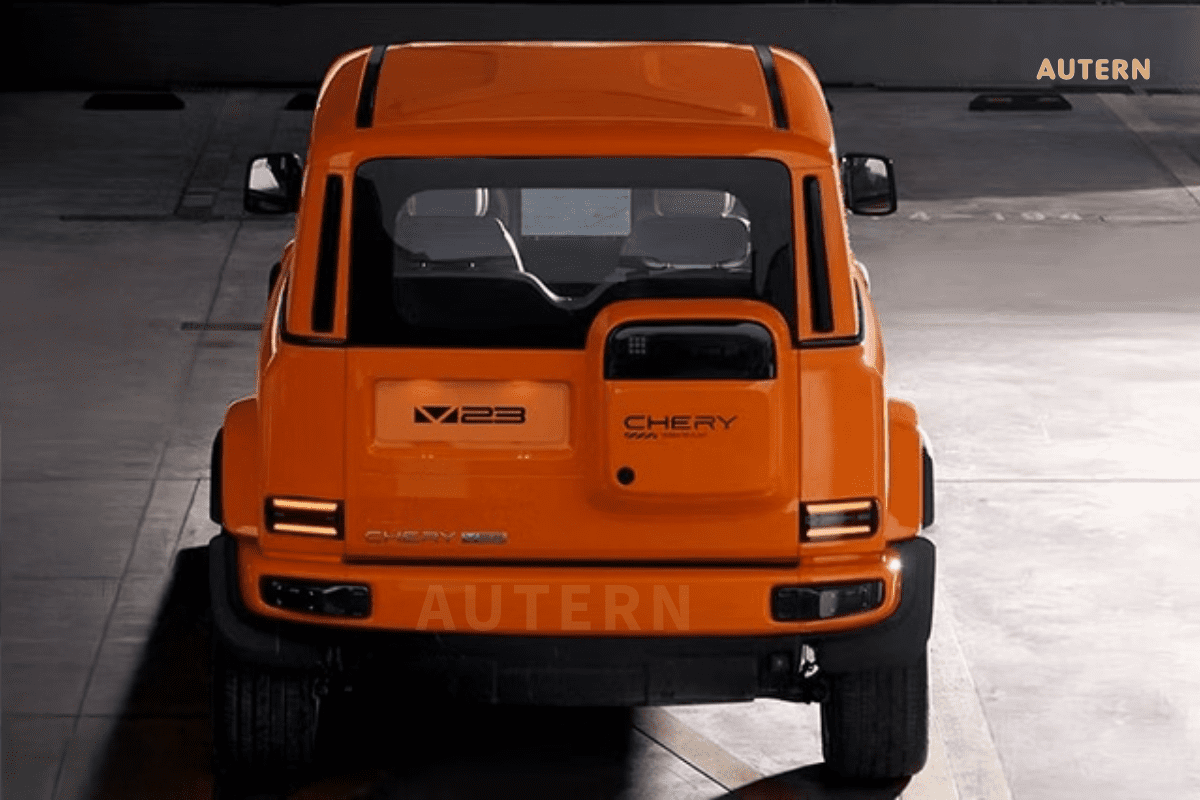
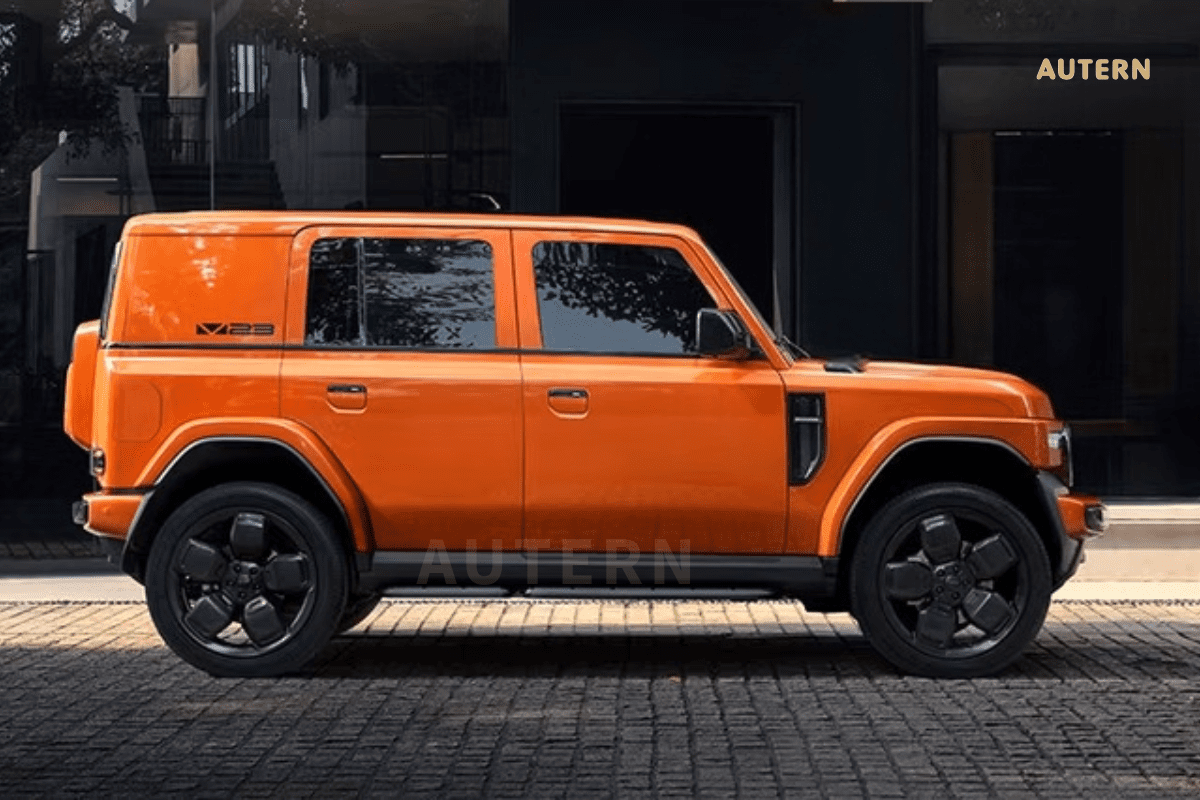
The iCar V23 is a visual departure from the aerodynamic, “soft” designs of most modern EVs. It embraces a retro-modern 4×4 aesthetic that appeals to the aspirational Indian consumer.
Exterior Highlights
Dimensions: It measures 4,220mm in length, 1,915mm in width, and 1,845mm in height, with a generous 2,735mm wheelbase.
Off-Road Geometry: With a 43-degree approach angle and a 41-degree departure angle, it is built for more than just city malls.
Stance: 210mm of ground clearance ensures it can tackle the worst Indian potholes and monsoon floods.

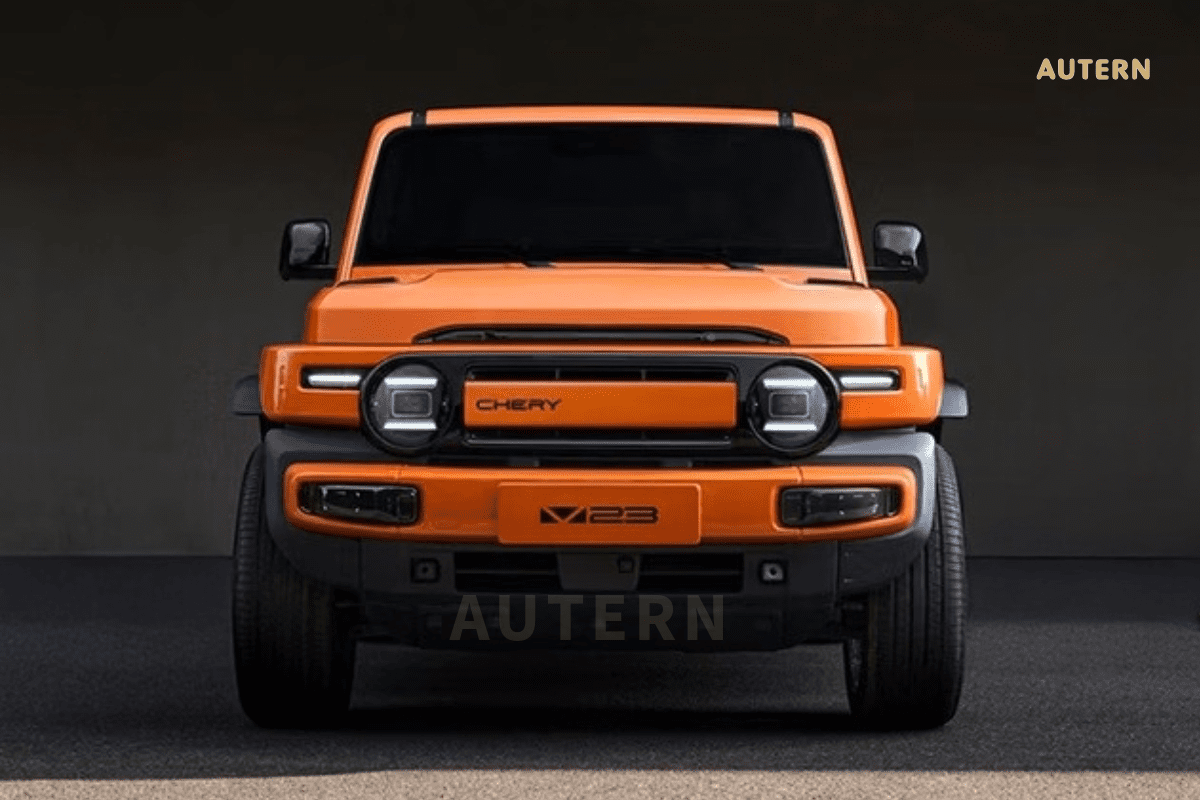
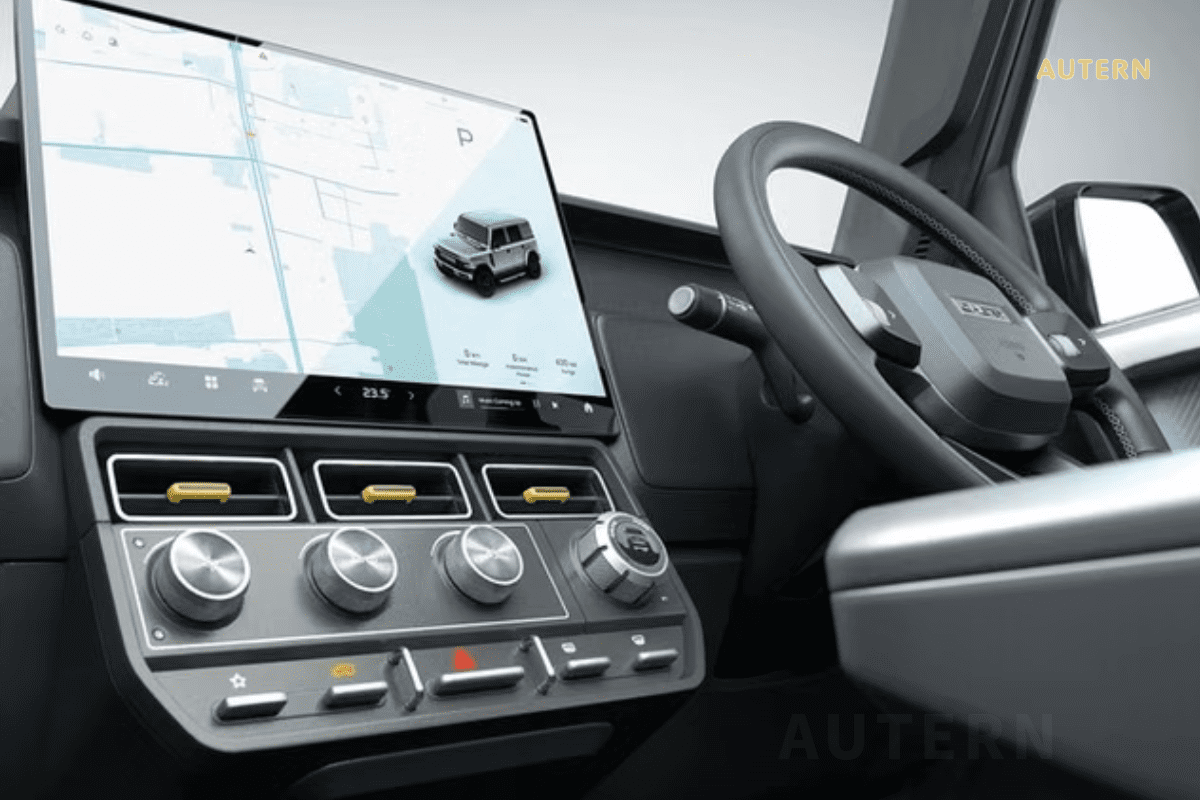
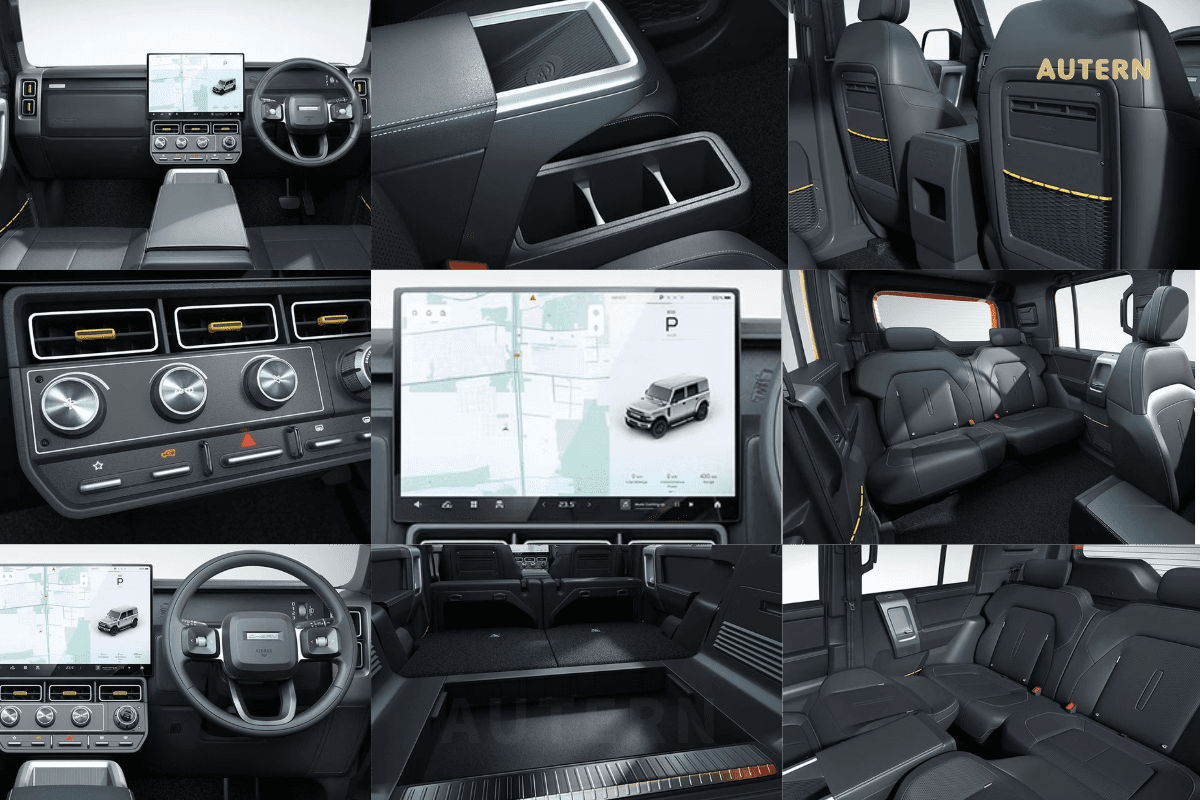
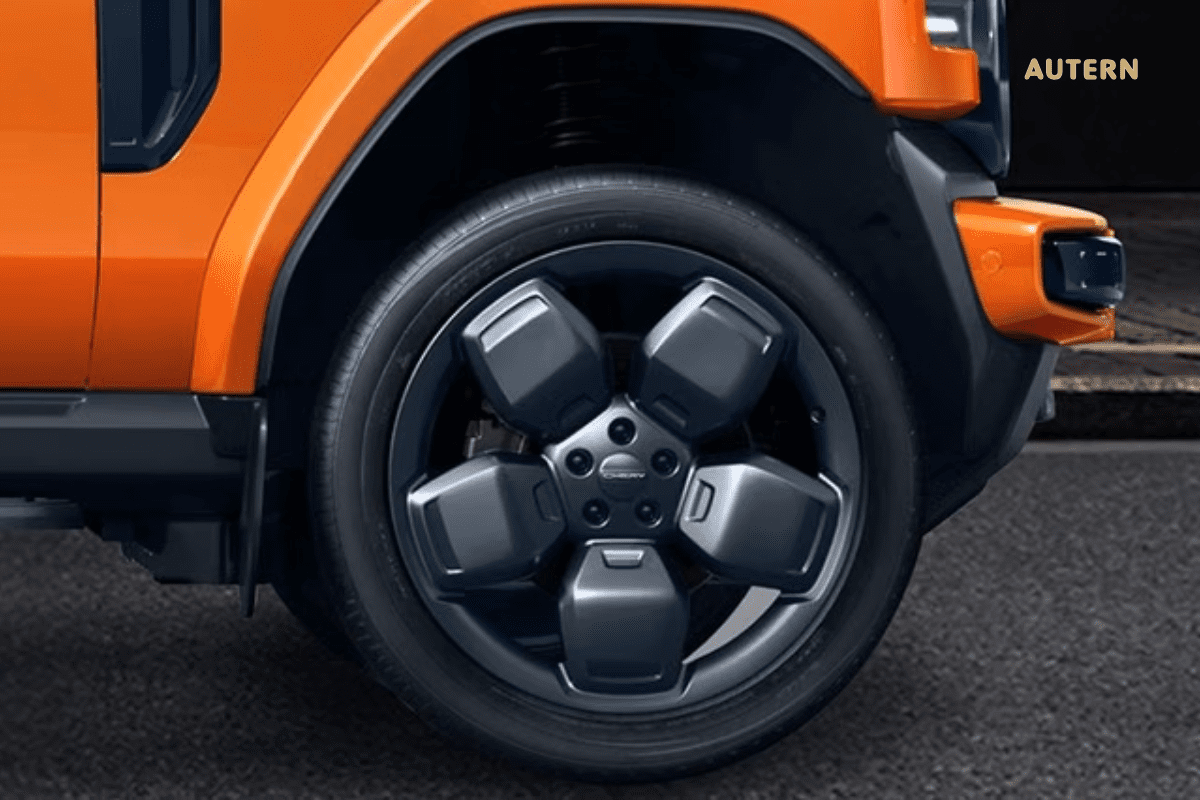
JSW iCar V23 Electric SUV Specifications
The powertrain options are designed to cater to both city commuters and long-distance tourers.
| Feature | RWD Variant | AWD Variant |
| Battery Size | 59.93 kWh | 81.76 kWh |
| Drivetrain | Single Motor (Rear) | Dual Motor (All-Wheel) |
| Horsepower | 136 hp | 211 hp |
| Peak Torque | 180 Nm | 292 Nm |
| Range (CLTC) | 401 km | 510 km |
| 0-100 kph | 11.0 Seconds | 7.5 Seconds |
3. Technical Deep Dive: LFP vs. NMC Battery Chemistry
The battery is the most expensive and critical component of an EV. According to the JSW iCar V23 electric SUV specifications, Chery uses two distinct chemistries to balance cost and performance.
Lithium Iron Phosphate (LFP)
Commonly used in the RWD variant, LFP batteries are the “workhorses” of the EV world.
Thermal Stability: They are much safer in high-temperature regions like India, as they have a higher thermal runaway threshold.
Cycle Life: They can last for over 3,000 charge cycles, meaning the battery could easily outlast the car itself.
Cost: LFP tech is cheaper, which is essential for keeping the JSW Chery iCar V23 price in India competitive.
Honda Shine 100 Launched At Rs 68,767: Beats All in Price
Nickel Manganese Cobalt (NMC)
Found in the high-range AWD variant, NMC batteries are for performance seekers.
Energy Density: They pack more power in a smaller, lighter package. This is why the iCar V23 can offer a massive 81.76 kWh battery without adding excessive weight.
Fast Charging: NMC cells typically support faster DC charging rates, perfect for long highway trips.
4. Technical Deep Dive: PMSM vs. Induction Motors
Our community forum on autern.com often debates the merits of different electric motors. The iCar V23 primarily utilizes Permanent Magnet Synchronous Motors (PMSM).
Why PMSM?
Efficiency: PMSM motors are up to 97% efficient. Unlike Induction motors, they don’t require energy to create a magnetic field in the rotor, as they use permanent magnets.
Size: They are more compact, which allows the iCar V23 to have a front motor (in the AWD version) without taking away from the front trunk (frunk) or cabin space.
Torque: PMSM provides the “instant kick” that EV drivers love, ensuring the iCar V23 feels punchy even with a full load of passengers.
5. Head-to-Head: JSW iCar V23 vs. Tata Nexon EV
The Tata Nexon EV is the current gold standard for the best electric SUVs under 20 lakh in India. Let’s see how the newcomer stacks up.
Battery and Range Advantage
The Nexon EV LR features a 40.5 kWh battery. The iCar V23’s base model starts at nearly 60 kWh. In real-world highway conditions, the iCar V23 is expected to provide at least 100km of additional range over the Nexon EV.
Drivetrain Sophistication
The Nexon EV is strictly a Front-Wheel Drive (FWD) vehicle. The iCar V23’s All-Wheel Drive (AWD) capability is a significant differentiator, offering better traction and off-road stability that Indian SUV buyers crave.
Space and Wheelbase
The iCar V23’s wheelbase is nearly 240mm longer than the Nexon’s. This translates to vastly superior rear-seat legroom, making it a better primary family car.
6. Financial Analysis: 10-Year Cost-of-Ownership
Many buyers are intimidated by the JSW Chery iCar V23 price in India, but the long-term math tells a different story. Let’s compare it to a premium Petrol SUV (like the Hyundai Creta) over 10 years and 1,50,000 km.
| Expense | Petrol SUV (1.5L) | JSW iCar V23 (EV) |
| Purchase Price | ₹19,00,000 | ₹21,00,000 |
| Fuel/Charging Cost | ₹15,00,000 (at ₹100/L) | ₹2,40,000 (at ₹8/unit) |
| Maintenance | ₹2,20,000 | ₹70,000 |
| Road Tax/Registration | ₹1,90,000 | ₹0 (In most states) |
| Total Expenditure | ₹38,10,000 | ₹24,10,000 |
Net Savings: You save approximately ₹14 Lakh over 10 years. This effectively makes the car 60% cheaper to own than a petrol alternative.
Yamaha YZF R15 2025: Unleashed Power, Stunning Design
7. Regional Subsidy Breakdown: Saving Even More
The JSW Chery iCar V23 price in India can be further reduced by state-specific EV policies.
Maharashtra: 100% waiver on road tax and registration.
Delhi: Offers some of the highest charging infrastructure subsidies and road tax waivers.
Gujarat: Potential direct subsidies of up to ₹1.5 lakh, depending on the final battery size and policy updates.
Uttar Pradesh: Full exemption from road tax for the first 3 years of the EV policy.
Karnataka: 100% road tax waiver, making the iCar V23 highly attractive for the IT hub of Bangalore.
8. Owner Expectations and Community Interviews
To understand the market sentiment before the JSW Chery iCar V23 launch date, we interviewed several members of the autern.com community.
Interview 1: jigs, Current Petrol SUV Owner
“I’m waiting for the iCar V23 because it doesn’t look like a toy. Most EVs in the best electric SUVs under 20 lakh in India segment look too futuristic. I want that rugged, old-school Jeep look with an electric motor.”
Interview 2: Meera, Daily Commuter
“My biggest concern is the charging network. If the JSW Chery partnership India can provide a fast-charging grid like Tesla has in the US, I’m sold.”
9. JSW’s Charging Infrastructure: The “Green Grid” Plan
JSW Energy is a massive player in power generation. They plan to utilize this expertise to solve the “range anxiety” problem.
Renewable Charging: JSW aims to power its chargers using solar and wind energy.
Hyper-Fast Network: Supporting the 100kW DC fast-charging of the iCar V23, which can add 100km of range in just 10 minutes.
Unified Ecosystem: Integrating charging for both JSW and MG Motor India vehicles into a single app.
10. JSW Chery iCar V23 Launch Date and Pricing
Industry experts suggest that JSW is aiming for a “disruptive” entry.
Estimated JSW Chery iCar V23 launch date: Late 2025 (October-November), with a major showcase at the 2025 Bharat Mobility Expo.Estimated JSW Chery iCar V23 price in India:
Base (RWD): Starting at ₹14.99 Lakh.
Top (AWD): Capped at ₹21.50 Lakh.
11.Conclusion: The Final Verdict on JSW Motors Chery iCar V23
The JSW Chery iCar V23 is more than just another entry into the crowded Indian EV market; it is a disruptor. By combining the ruggedness of a classic off-roader with the cutting-edge JSW iCar V23 electric SUV specifications, JSW is targeting a segment of the market that has been largely ignored.
The JSW Chery partnership India has successfully created a vehicle that offers a massive 81.76 kWh battery and AWD capability features usually reserved for premium luxury SUVs at a price that targets the best electric SUVs under 20 lakh in India. If JSW can deliver on its promise of a robust charging infrastructure and maintain the estimated JSW Chery iCar V23 price in India, it is poised to become the new benchmark for electric mobility.
For those waiting for the JSW Chery iCar V23 launch date, the message is clear: the future of Indian adventure is electric, and it’s coming soon.
10 Frequently Asked Questions (FAQs)
What is the expected JSW Motors Chery iCar V23 launch date in India?
The official JSW Chery iCar V23 launch date is expected to be in late 2025 or early 2026. A prototype is likely to be showcased at the 2025 Bharat Mobility Global Expo.
What will be the JSW Chery iCar V23 price in India?
While not officially announced, the estimated JSW Chery iCar V23 price in India is expected to start from ₹15 Lakh for the base RWD variant and go up to ₹22 Lakh for the top-end AWD variant.
What is the maximum range of the JSW iCar V23?
According to the JSW iCar V23 electric SUV specifications, the AWD variant with the 81.76 kWh battery offers a maximum range of up to 510 km (CLTC) on a single charge.
Is the iCar V23 suitable for off-roading?
Yes, the iCar V23 is designed for adventure. It features a high ground clearance of 210mm, a 43-degree approach angle, and an All-Wheel Drive (AWD) option with dual motors.
How does the JSW Chery partnership India benefit buyers?
The JSW Chery partnership India combines Chery’s global EV technology with JSW’s local industrial strength, ensuring better localization, competitive pricing, and a vast service network across India.
Will the iCar V23 qualify for the best electric SUVs under 20 lakh in India?
Yes, JSW aims to position the base and mid-range variants within the ₹15-19 Lakh bracket, making it one of the best electric SUVs under 20 lakh in India.
What kind of battery technology does the iCar V23 use?
The iCar V23 is expected to use LFP (Lithium Iron Phosphate) batteries for the standard range for safety and durability, and NMC (Nickel Manganese Cobalt) for the high-performance AWD variant.
How long does it take to charge the JSW iCar V23?
Supporting DC fast charging up to 104kW, the iCar V23 can charge from 10% to 80% in approximately 35-40 minutes, depending on the charger output.
Does the iCar V23 have ADAS features?
Yes, the iCar V23 is expected to come equipped with Level 2 ADAS (Advanced Driver Assistance Systems), including features like lane-keep assist, adaptive cruise control, and emergency braking.
Can I get a government subsidy on the JSW Chery iCar V23?
Yes, depending on your state of registration (like Maharashtra, Gujarat, or Delhi), you can benefit from 100% road tax and registration fee waivers, significantly reducing the on-road price.