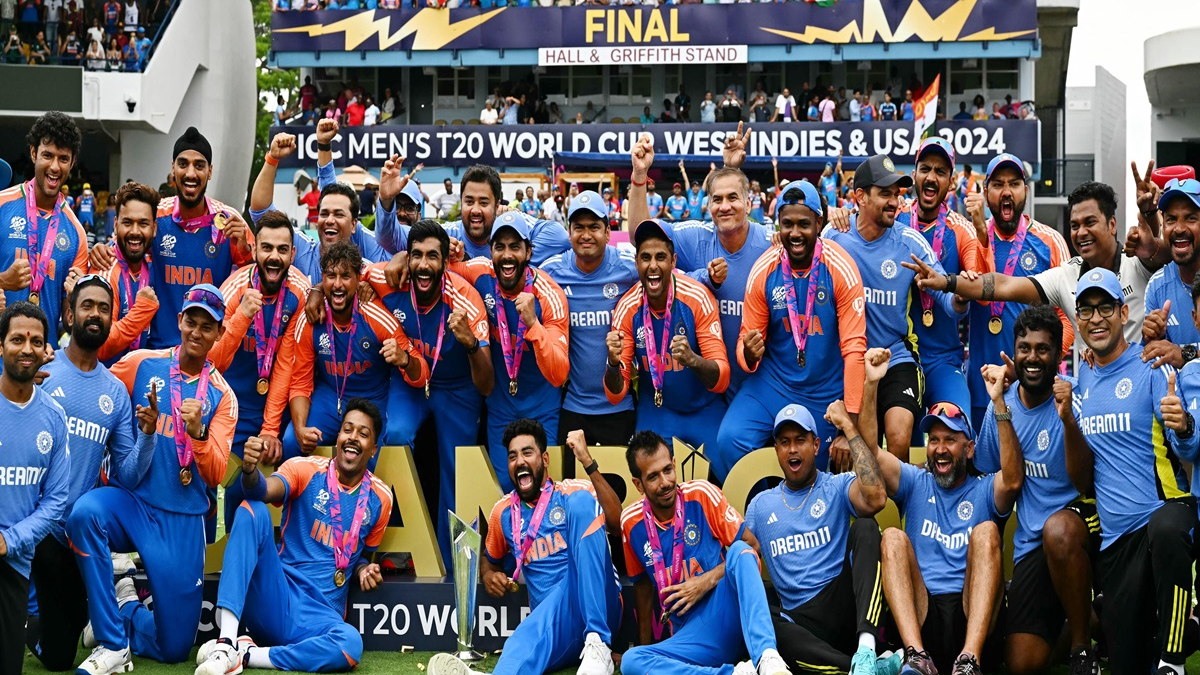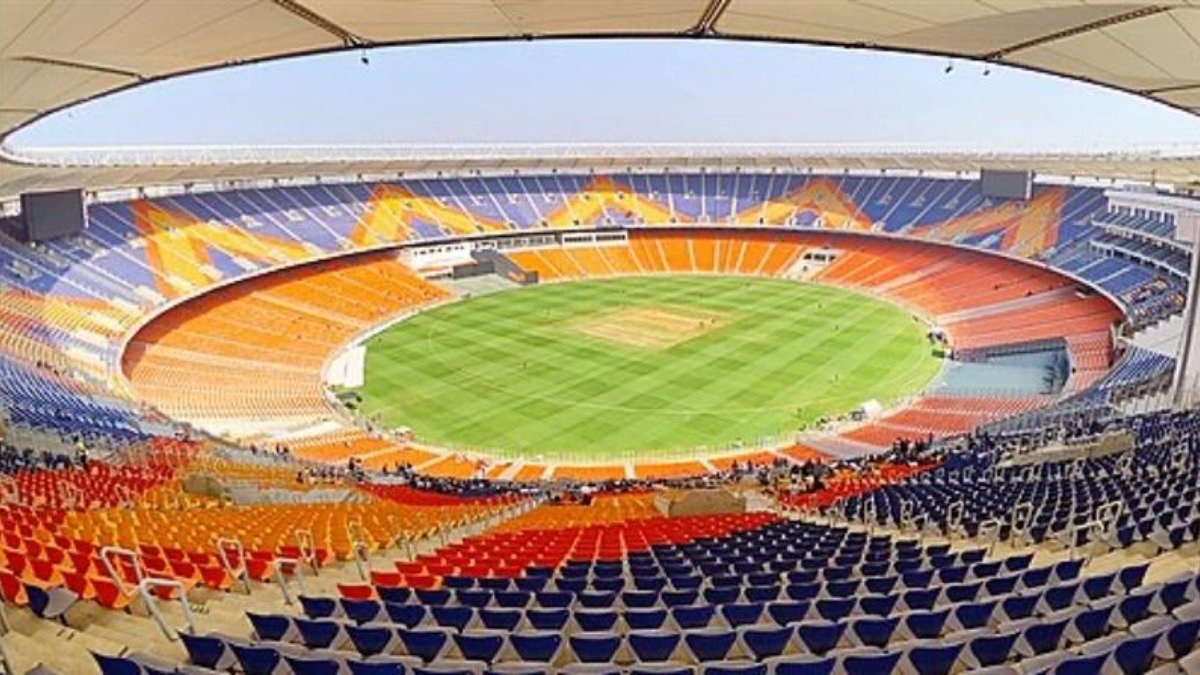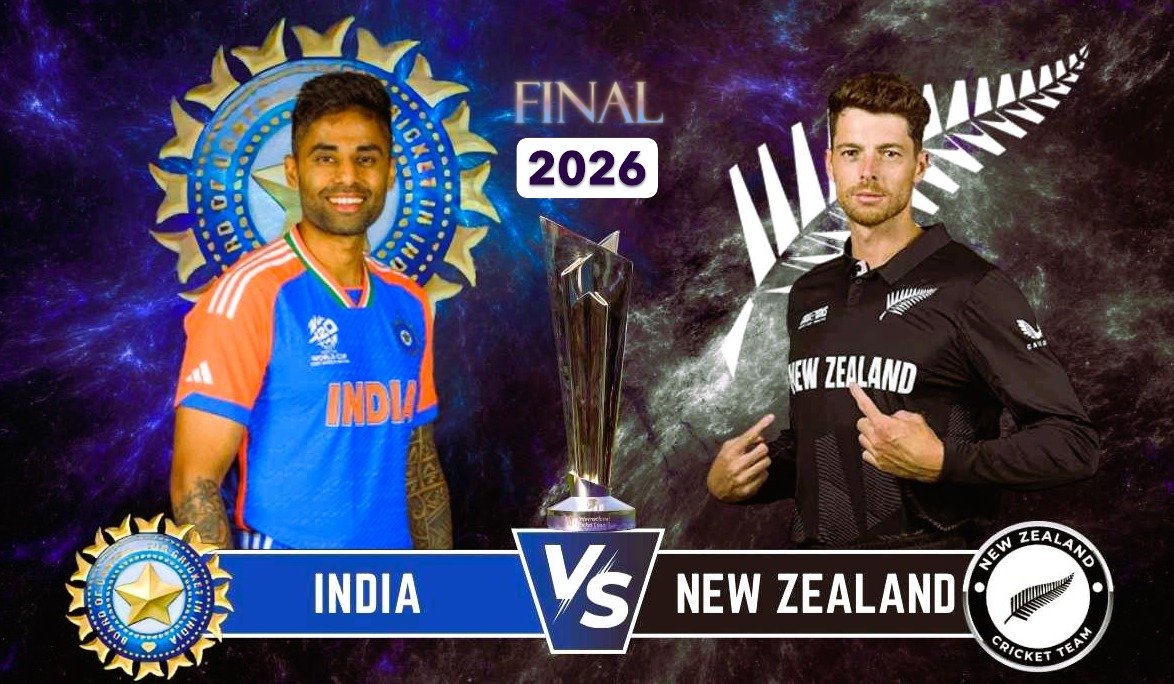
The India vs New Zealand Final is finally here. After weeks of high-octane cricketing action, the T20 World Cup 2026 has reached its ultimate climax. The Indian cricket team, led by the charismatic Suryakumar Yadav, has officially marched into the final. On March 8, 2026, the world’s largest cricket stadium the Narendra Modi Stadium in Ahmedabad will play host to a titanic clash that will be etched in history forever.
While the nation celebrates India’s entry into the final, the path to glory is far from guaranteed. India may be the favorites on paper, but they are carrying some heavy baggage into this title clash. If “Team India” wants to lift the trophy for the second consecutive time, they must address four glaring weaknesses immediately. Failure to do so could result in a heartbreak that will shatter the dream of creating history on home soil.
In this deep-dive analysis, we break down why the India vs New Zealand Final is the ultimate test and the four areas where India is currently struggling.
1. The Opening Conundrum: A Major Hurdle in the India vs New Zealand Final
The foundation of any great T20 inning is the start provided by the openers. Unfortunately for India, the opening slot has become a revolving door of inconsistency throughout this tournament. This is a primary concern heading into the India vs New Zealand Final.
Abhishek Sharma, who was expected to be the breakout star of this tournament, has struggled to find his rhythm. His tendency to lose his wicket early has put immense pressure on the middle order, specifically on Suryakumar Yadav and Hardik Pandya. In a high-stakes final against a disciplined New Zealand bowling attack featuring the likes of Trent Boult and Matt Henry, a shaky start could be fatal.
Is it time for a Change?
The team management is reportedly considering a bold move for the India vs New Zealand Final. There are talks of promoting Ishan Kishan or Sanju Samson to open the innings.
Ishan Kishan: Offers a left-handed advantage and explosive power in the powerplay.
Sanju Samson: Provides technical stability and the ability to play both high-quality pace and spin.
Regardless of who walks out to the middle, the objective is clear: India cannot afford to be two wickets down in the first three overs.
2. The Bowling Leak: Dependency on Jasprit Bumrah
While India’s batters have been posting massive totals, the bowlers have been surprisingly generous with runs. There is a worrying pattern emerging that could haunt India in the India vs New Zealand Final: opposition batters are playing out Jasprit Bumrah with caution and then launching an all-out assault on the rest of the attack.
The biggest concern is Varun Chakaravarthy. Touted as the “X-Factor” before the tournament, the mystery spinner has struggled to keep the runs down. In the high-pressure semi-final, he conceded runs at an alarming economy rate of 16.00. Against a New Zealand side that plays spin exceptionally well, this leak must be plugged.

The Support Cast Needs to Step Up
In the India vs New Zealand Final, Arshdeep Singh and Mohammed Siraj (or whoever takes the second seamer’s spot) must ensure they don’t give away “boundary balls” every over. New Zealand’s middle order known for their clinical execution will easily chase down any target if the pressure is only coming from one end.
3. The Failure to “Kill” the Game: A Lack of Killer Instinct
A championship winning team needs to be ruthless. However, the 2026 T20 World Cup has shown a “soft underbelly” in India’s bowling depth. The team has struggled to bowl out the opposition, often allowing set batters to stay until the very last ball, which adds unnecessary pressure in the death overs.
We saw this in the lead-up to the India vs New Zealand Final:
Zimbabwe’s Brian Bennett scored a stunning 97* as the Indian bowlers failed to find a way past his defense.
West Indies’ Rovman Powell and Jason Holder remained unbeaten, dragging their team closer to the target than India would have liked.
If a player like New Zealand’s Kane Williamson or Daryl Mitchell gets set in the final, India cannot afford to let them stay until the 20th over. The “killer instinct” to wrap up the tail and take all ten wickets is currently missing and must be rediscovered before Sunday.
4. The Fielding Crisis: 13 Dropped Catches!
They say, “Catches win matches.” In the context of the India vs New Zealand Final, this could not be more true. While Axar Patel grabbed headlines with a stunning catch in the semi-final, the overall team performance in the field has been mediocre.
Statistically, the “Surya Brigade” has the worst fielding record in this World Cup, having dropped 13 catches so far. In a final against New Zealand a team that is world-renowned for its elite fielding these mistakes will be punished. A dropped catch of a player like Glenn Phillips or Rachin Ravindra could cost India 30-40 extra runs the exact margin that usually decides an ICC World Cup Final.
The Ahmedabad Factor: Playing at the Narendra Modi Stadium
The venue for the India vs New Zealand Final is the majestic Narendra Modi Stadium in Ahmedabad. With a capacity of over 130,000, the atmosphere will be unlike anything these players have experienced.
The pitch at Ahmedabad historically offers something for everyone initial movement for pacers under lights and significant assistance for spinners as the game progresses. India’s record here is strong, but the weight of expectations from a home crowd can be a double-edged sword. Suryakumar Yadav will need to lead with a calm head to ensure the team doesn’t buckle under the pressure of the moment.
Historical Context: The India vs New Zealand Rivalry
To understand the gravity of the India vs New Zealand Final, one must look at the history between these two teams in ICC tournaments. For years, New Zealand has been India’s “Achilles’ heel.” Whether it was the 2019 ODI World Cup Semi-final or the World Test Championship Final, the Black Caps have often found a way to stop the Indian juggernaut.
However, this is a new India. Under the captaincy of Surya, the team plays a brand of fearless cricket. This final is not just about a trophy; it’s about exorcising the ghosts of the past and proving that India can win the “Big One” against their toughest rivals.
For more official updates and match schedules, you can visit the Official ICC T20 World Cup website.
The Role of the Toss at Ahmedabad
In a high-pressure game like the India vs New Zealand Final, the toss could play a massive role. Historically, at the Narendra Modi Stadium, teams winning the toss often prefer to bowl first if there is a threat of dew in the second innings. Dew makes the ball slippery, making it difficult for spinners like Varun Chakaravarthy and Axar Patel to grip the ball.
However, in a World Cup Final, the “scoreboard pressure” of batting first and putting up a big total often outweighs the dew factor. If India bats first and sets a target above 180, New Zealand’s middle order will find it psychologically difficult to keep up with the required run rate under the gaze of 130,000 shouting fans.
New Zealand’s Tactical Prowess: Why They Are Dangerous
The Black Caps are often called the “Nice Guys” of cricket, but on the field, they are tactical geniuses. Their captain, Kane Williamson, is known for his calm demeanor and brilliant bowling rotations. In the India vs New Zealand Final, expect the Kiwis to use a “short-ball” strategy against the Indian middle order or to pack the off-side field to frustrate Surya’s 360-degree play.
New Zealand doesn’t rely on superstars; they rely on execution. Their fielding is arguably 20% better than India’s current form, meaning they will save at least 15-20 runs in the field. India needs to be aware that even if they outplay New Zealand in talent, they must match them in discipline to take the trophy home.
Key Players to Watch in the India vs New Zealand Final
Suryakumar Yadav (India): The captain’s ability to manipulate the field will be crucial. He needs to lead from the front with a “Player of the Match” type performance.
Rachin Ravindra (New Zealand): The young sensation has been in sublime form. India’s spinners must find a way to stop him early.
Hardik Pandya (India): His four overs of pace and his finishing ability make him the most important balance-player in the squad.
Trent Boult (New Zealand): His opening spell to India’s struggling openers will likely decide the direction of the match.
Final Verdict: Can India Create History?
India has the talent, the home-ground advantage, and the motivation to win. However, New Zealand is a team that thrives on exploiting the weaknesses of their opponents. They are the “silent killers” of world cricket.
To win the India vs New Zealand Final, India must:
Stabilize the opening partnership.
Ensure the bowlers support Jasprit Bumrah.
Attack the stumps to take all 10 wickets.
Maintain a “Zero-Drop” policy in the fielding department.
If India ignores these four red flags, their dream of a second consecutive T20 World Cup trophy might just remain a dream. But if they fix them, there is no force in world cricket that can stop them from lifting the cup in Ahmedabad.
Will India create history, or will New Zealand pull off another heartbreak? Share your thoughts and predictions in the comments below!