


Owning a car is a significant investment and a matter of great pride. However, simply buying a vehicle is not the end of the journey; keeping it in top running condition requires dedication and proper knowledge. If you want your vehicle to run smoothly for years without breaking down in the middle of a highway, you must follow the best Car Maintenance Tips. Whether you use your vehicle for daily office commutes or long weekend family road trips, regular servicing is the absolute key to ensuring optimal engine performance, enhanced safety, and maximum fuel efficiency.
Many car owners mistakenly believe that taking their vehicle to the authorized service center once a year is more than enough. Unfortunately, this is a very common and expensive misconception. Neglecting basic vehicle care can lead to poor mileage, sudden mechanical failures, and highly expensive engine repairs that could easily burn a hole in your pocket. To avoid all these stressful situations, learning and applying practical Car Maintenance Tips is essential for every responsible car owner.
In this highly detailed, beginner-friendly, and comprehensive guide, we will walk you through the most effective Car Maintenance Tips that you should know and practice regularly. These easy-to-follow steps will not only make your daily drives safer but will also save you thousands of dollars in the long run. Let us dive deep into the mechanics of keeping your four-wheeler in showroom condition.
Why Are Routine Car Maintenance Tips Crucial for Owners?
Before we dive into the actual checklist of Car Maintenance Tips, it is critically important to understand exactly why you need to dedicate time to vehicle care. An internal combustion engine (ICE) car contains thousands of moving mechanical and electrical parts. These parts generate immense heat, constant vibrations, and heavy friction while you drive.
First and foremost, a well-tuned engine, a completely clean air filter, and properly inflated tires drastically reduce engine drag. This directly increases your car’s fuel efficiency. If you want to achieve high mileage and save money on expensive petrol or diesel, mastering these Car Maintenance Tips is completely non-negotiable.
Secondly, regular maintenance ensures enhanced safety on the road. Faulty brake pads, worn-out tires, or a leaking steering fluid line can cause fatal accidents at high speeds. Routine visual checks ensure your car is always safe to drive. Lastly, a fully maintained car with a smooth-sounding engine and a spotless exterior will fetch you a significantly higher resale value whenever you decide to upgrade to a new model.
Top 10 Car Maintenance Tips You Must Follow
1. Regularly Check and Change the Engine Oil
Among all the Car Maintenance Tips available out there, taking care of your engine oil is undeniably the most critical one. Engine oil is the lifeblood of your car. Its primary job is to lubricate the rapidly moving internal pistons and valves inside the engine block, reduce metal-to-metal friction, and dissipate extreme heat. Over time, the engine oil breaks down, becomes thick and sludgy, loses its viscosity, and accumulates carbon deposits.
To maintain a healthy engine, check your oil level at least twice a month using the dipstick. Pull it out, wipe it clean with a microfiber cloth, insert it back, and pull it out again to read the level. If the oil is pitch black and gritty, it is time for an oil change. Generally, standard mineral oils should be changed every 5,000 kilometers, while high-quality synthetic oils can easily last up to 10,000 kilometers.
Read More Latest Blog: “7 Best Electric Cars for daily commuting 2026”
2. Monitor Tire Pressure and Tread Depth
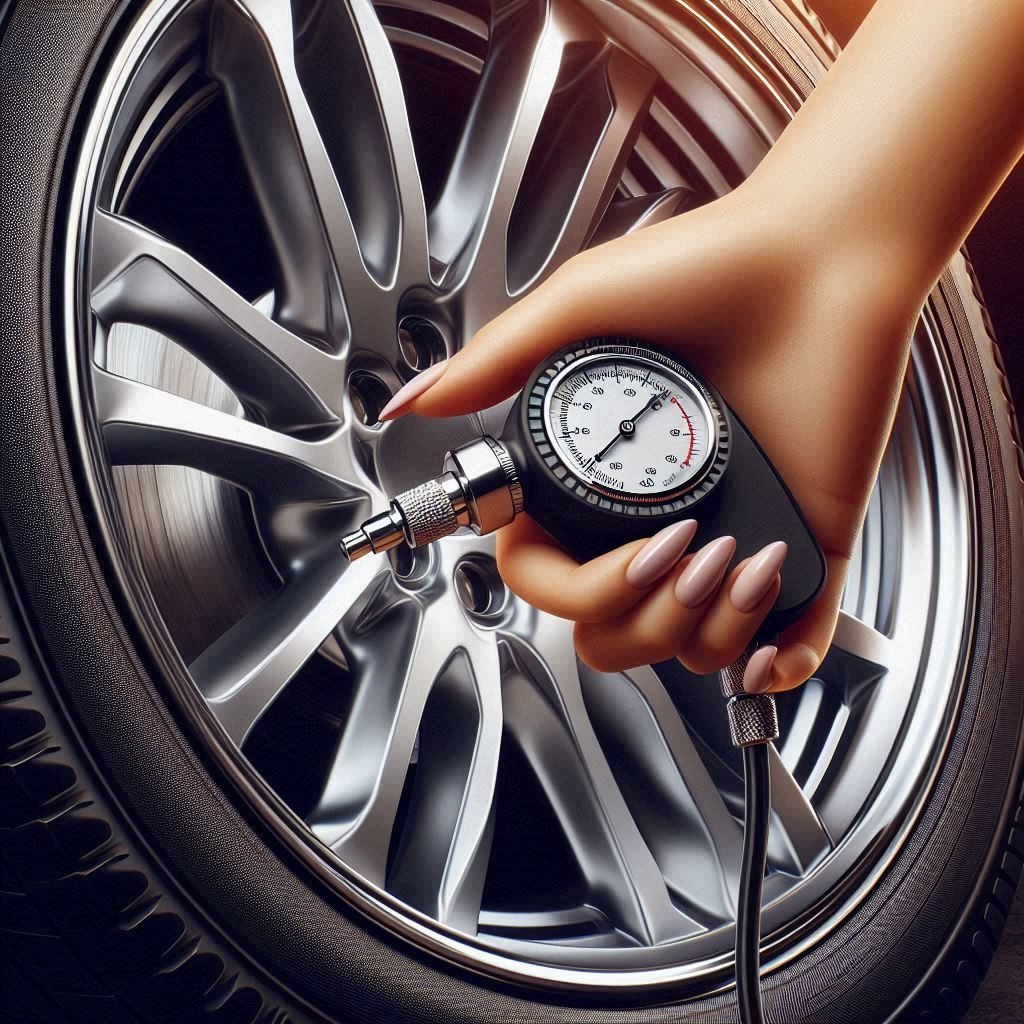
You could own the most luxurious and powerful car in the world, but if your tires are not in good condition, your driving experience will be terrible and unsafe. Incorrect tire pressure is the number one hidden reason for poor mileage and bad steering handling. This is one of those Car Maintenance Tips that requires zero mechanical skills but yields maximum safety results.
Under-inflated tires create an excessively large contact patch with the asphalt. This creates huge rolling resistance, making the engine work much harder, drastically reducing your fuel economy, and causing the tire walls to degrade prematurely. On the other hand, over-inflated tires give you a very bumpy, uncomfortable ride and increase the chances of dangerous skidding during heavy braking. Always check your tire pressure every single week using a reliable digital pressure gauge when the tires are cold. Additionally, insert a coin into the tire grooves to ensure you have enough tread depth left for a proper grip on wet roads.
3. Keep the Engine Air Filter Clean
For an internal combustion engine to burn fuel efficiently and produce horsepower, it needs a continuous and massive supply of clean oxygen. The engine air filter’s job is to trap dust, dirt, insects, and microscopic debris from entering the sensitive combustion chamber. In a highly dusty environment or polluted city, air filters get clogged very quickly.
A clogged air filter heavily restricts airflow, causing the engine to run “rich” (which means the engine is burning more fuel than air). This results in a massive drop in mileage, sluggish acceleration, and black smoke coming from the exhaust tailpipe. Inspecting your air filter every 5,000 kilometers is an integral part of our list of Car Maintenance Tips. If the white paper filter has turned dark grey or black, replace it immediately. It is a very cheap part but makes a huge difference in performance.
4. Inspect the Braking System Carefully
Speed is thrilling, but braking is life-saving. Maintaining your car’s braking system should be your absolute top priority above all other Car Maintenance Tips. Most modern cars today come with disc brakes on the front wheels (and sometimes rear) that operate using hydraulic brake fluid.
Listen to your car. If you hear a high-pitched squealing or metallic grinding noise when you press the brake pedal, your brake pads are completely worn out and the metal is scratching against the disc rotor. Worn-out brake pads will damage the rotor, leading to a very expensive replacement. Furthermore, check the brake fluid reservoir under the hood. If the liquid looks dark brown or black instead of clear yellowish, flush the entire system and replace it with fresh DOT 3 or DOT 4 fluid as recommended by your manufacturer.
More in Details: Edmunds
5. Top Up All Essential Fluids
Your car relies on several different hydraulic and lubricating fluids to operate various systems smoothly. Checking these liquids is a cornerstone of proper vehicle care and one of the easiest Car Maintenance Tips you can do at home.
Coolant: The radiator coolant prevents your engine from overheating during long drives and freezing during harsh winters. Ensure the coolant reservoir is filled between the ‘Minimum’ and ‘Maximum’ lines.
Transmission Fluid: This fluid keeps your gearbox shifting smoothly. If you experience jerky gear shifts, your transmission fluid might be low or degraded.
Power Steering Fluid: If your steering wheel suddenly feels very heavy and hard to turn, check this fluid immediately.
Windshield Washer Fluid: Never use plain water, as it causes hard water scaling. Use a dedicated washer fluid mixed with water to keep your windshield crystal clear during highway drives.
6. Battery Health and Terminal Cleaning
A dead battery means a dead car. Your vehicle’s entire electrical system, including fuel injectors, ABS module, headlamps, digital infotainment screen, and the starter motor, relies entirely on a healthy battery. Battery care is one of the most ignored Car Maintenance Tips by regular drivers.
Open the hood and inspect the car battery once a month. Keep the metal battery terminals completely clean. White powdery acid buildup on the metal terminals heavily restricts power flow, causing starting issues in the morning. Clean the terminals using a mixture of baking soda and warm water, dry it with a cloth, and apply a thin coat of petroleum jelly or dielectric grease to prevent future acid corrosion.
Video Here: Car Maintenance Tips
7. Replace Windshield Wipers Periodically
Visibility is everything when you are driving at 100 km/h. Worn-out windshield wiper blades are extremely dangerous during heavy rainstorms or snowfall. Over the months, the rubber on the wiper blades becomes hard, brittle, and cracks due to constant exposure to the hot sun and UV rays.
If your wipers are leaving streaks of water on the glass, making a squeaking rubber noise, or skipping across the windshield, it is time to throw them away. Replacing wiper blades is incredibly cheap and takes less than two minutes. Adding this to your routine Car Maintenance Tips ensures you always have a clear view of the road ahead, no matter the weather conditions.
8. Maintain the Cooling System (Radiator)
The internal combustion engine generates temperatures high enough to melt its own metal parts if not cooled properly. The radiator and the cooling system are responsible for keeping the engine temperature stable. Neglecting this part of our Car Maintenance Tips guide will result in your car breaking down with smoke billowing from under the hood.
Never open the radiator cap when the engine is hot, as the boiling pressurized liquid can cause severe burns. Wait for the engine to cool down completely, preferably overnight. Check the radiator hoses for any visible cracks, bulges, or leaks. A small leak in a coolant hose can drain the system completely while driving, resulting in catastrophic engine failure.
9. Check Belts and Hoses for Wear and Tear
Under the hood of your car, there are several thick rubber hoses and serpentine belts. The serpentine belt (or drive belt) is a long rubber belt that powers the alternator, power steering pump, water pump, and air conditioning compressor.
Because rubber degrades over time due to extreme engine bay heat, these belts can crack and eventually snap. If your serpentine belt breaks while you are driving, your car will immediately lose power steering, the battery will stop charging, and the engine will overheat rapidly. A key part of professional Car Maintenance Tips is to visually inspect these belts for fraying, cracking, or glazing. If you hear a loud squealing noise from the engine when you accelerate, it usually indicates a loose or worn-out drive belt that needs immediate replacement.
10. Keep the Exterior and Interior Clean
Last but certainly not least, keeping your car spotlessly clean is not just about vanity and aesthetics; it is a crucial functional part of our Car Maintenance Tips list. Dirt, mud, bird droppings, and road salt contain moisture and harsh acidic chemicals that can cause the metal body panels to rust aggressively and the expensive paint to fade and peel off.
Wash your car every two weeks using a proper automotive pH-neutral shampoo (never use dishwashing soap as it strips off the paint’s clear coat). Dry it completely using a high-quality microfiber drying towel to prevent hard water spots. Once every three months, apply a good quality carnauba wax or ceramic polish to the painted surfaces. This creates a hard protective layer against UV rays, dust, and minor scratches. Additionally, vacuum the interior seats and carpets to prevent foul odors and mold buildup inside the cabin.
Common Myths About Car Maintenance Tips Busted
To ensure you do not accidentally harm your beloved vehicle, let us bust a few common myths floating around the automotive community regarding Car Maintenance Tips:
Myth 1: You must warm up your car engine for 5 minutes before driving.
Fact: Modern fuel-injected engines do not need long, wasteful warm-ups. Idling the car for just 30 to 60 seconds to let the thick engine oil circulate to the top of the engine block is more than enough. Driving slowly and gently for the first two kilometers is actually the best way to warm up the engine, gearbox, and tires simultaneously.Myth 2: Premium high-octane petrol gives better mileage in normal cars.
Fact: Unless your car has a highly specialized, high-compression sports engine (like a sports car or luxury sedan), premium high-octane fuel will not increase your mileage. Standard regular unleaded petrol is perfectly fine and saves you a lot of money at the fuel pump.
Frequently Asked Questions (FAQs)
Q1: How often should I perform these Car Maintenance Tips on my vehicle?
A: As a general rule of thumb, you should perform a basic visual inspection (tires, lights, fluid levels) every single weekend. For mechanical servicing like oil changes and filter replacements, follow a strict interval of every 5,000 to 10,000 kilometers, depending on the engine oil type. Always consult your specific manufacturer’s owner manual.
Q2: Can I use tap water in my car’s radiator?
A: No, you should never use plain tap water in your radiator. Tap water contains heavy minerals that will rust the inside of your engine block and radiator core. Always use a proper mixture of anti-freeze coolant and distilled water.
Q3: How do I permanently increase the mileage of my old car?
A: To restore lost mileage, strictly follow all the Car Maintenance Tips mentioned in this guide. Specifically, replace the worn-out spark plugs, clean the fuel injectors thoroughly, install a brand-new engine air filter, check for correct tire pressure weekly, and ensure your brake pads are not constantly dragging against the wheel rotor.
Conclusion
Owning a car gives you ultimate freedom, and maintaining it should not feel like a stressful, boring chore. By actively incorporating these top 10 Car Maintenance Tips into your monthly routine, you will develop a much deeper mechanical understanding of how your vehicle operates.
Regular checks on engine oil quality, tire pressure accuracy, brake pad thickness, and electrical health will guarantee a driving experience that is incredibly safe, undeniably smooth, and highly fuel-efficient. Stop relying entirely on your local mechanic for every minor issue. Learn your car, take good care of it by strictly following these proven Car Maintenance Tips, and in return, your vehicle will reliably take care of you and your family on those long, beautiful open roads.
Disclaimer: The comprehensive content provided in this automotive blog post is strictly for educational, safety, and informational purposes only. While every effort has been carefully made to provide highly accurate Car Maintenance Tips, readers are strongly advised to refer to their specific car manufacturer’s official owner manual before performing any complex DIY mechanical maintenance. If you are ever unsure about a mechanical procedure, always consult a certified professional auto mechanic.











1 thought on “10 Essential Car Maintenance Tips for Better Mileage”