
Introduction: The Dawn of the Analog Renaissance 2026
As we navigate through the mid-2020s, a strange paradox has emerged. For decades, the goal of every tech giant was to connect every square inch of our lives to the “cloud.” We were told that a smart home—one that listens to your voice, tracks your steps, and orders your groceries—was the pinnacle of modern success. However, by the start of the Analog Renaissance 2026, the narrative has shifted completely.
Today, the ultimate status symbol isn’t having the latest AI-integrated refrigerator; it’s having a home that is intentionally “dumb.” We are witnessing a massive cultural pivot where privacy, tactile experiences, and human-only creation have become the world’s most expensive commodities. In this 2000-word deep dive, we explore why millions are quitting the digital grid and why being “unplugged” is the new way to show wealth and sophistication.
The Privacy Sovereign: Why ‘Unsmart’ Homes are the New Status Symbol of 2026
1. The Privacy Sovereign: Why ‘Unsmart’ Homes are 2026’s Biggest Trend
In the era of the Analog Renaissance 2026, the “Unsmart Home” has replaced the “Smart Home” in high-end real estate listings. But why?
The Death of Digital Privacy
Between 2023 and 2025, the world saw an unprecedented number of data leaks involving household IoT (Internet of Things) devices. People realized that their smart speakers weren’t just listening for commands; they were building psychological profiles. In response, the global elite began “de-smarting” their properties.
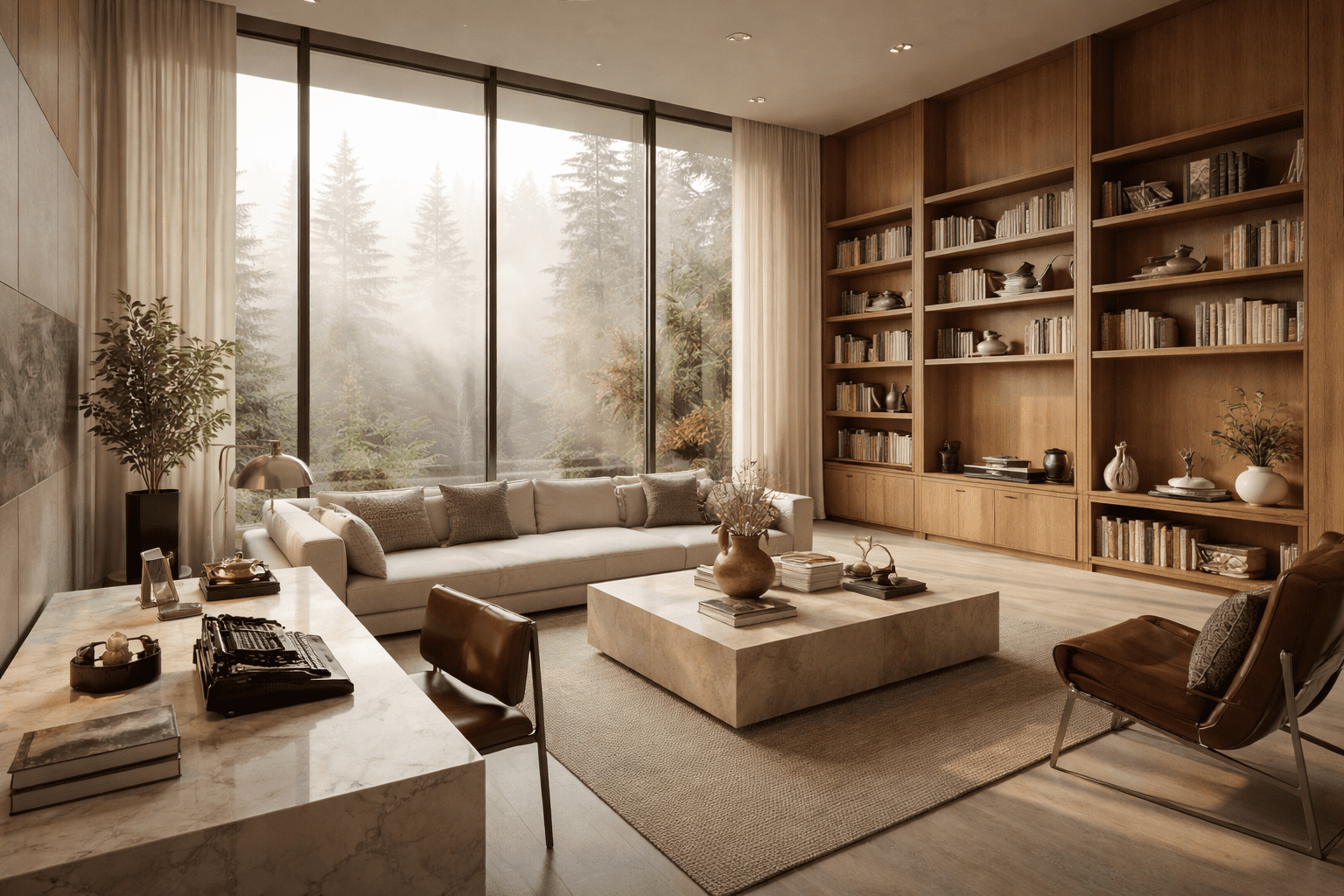
An “Unsmart Home” is a fortress of privacy. It uses mechanical locks, analog thermostats, and physical switches. In these spaces, your data cannot be harvested because there are no sensors to harvest them. This return to mechanical reliability is a core pillar of the Analog Renaissance 2026.
The Mechanics of Luxury
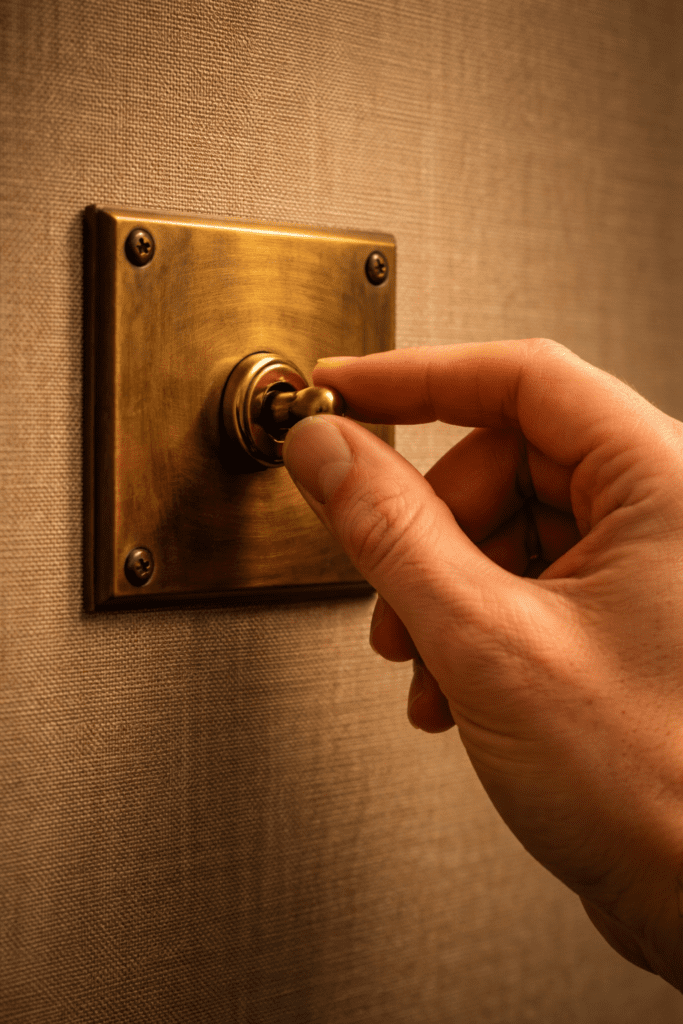
Luxury in 2026 is defined by “The Tactile.” Instead of tapping a screen to dim the lights, the modern aristocrat turns a heavy, brass dimming knob. Instead of asking an AI for the weather, they look at a high-precision mechanical barometer. These physical interactions provide a grounding sensory experience that digital interfaces simply cannot replicate.
2. The Human-Only Certification Movement 2026
As generative AI reached a point where it could flood the internet with infinite art, music, and text, a “value collapse” occurred. If an AI can create a “masterpiece” in three seconds, that masterpiece becomes worth nothing.
The Rise of the H-O Label
The Human-Only Certification Movement 2026 emerged as a way to protect the value of human labor. Much like the “Organic” or “Fair Trade” labels of the past, the “H-O” (Human-Only) stamp ensures that a product—be it a book, a piece of furniture, or a digital image—was created entirely by human hands and minds without algorithmic intervention.
Why 100% Non-AI Products are Becoming Ultimate Global Luxuries
Scarcity drives value. In 2026, AI content is the most abundant resource on earth. Human effort, with all its flaws, imperfections, and soul, is now the rarest resource. Owning a hand-written letter or a hand-carved table isn’t just a purchase; it’s a political statement against the “algorithm-ification” of life. This is the heart of the Analog Renaissance 2026.
Read more about the Global Human Labor Standards 2026 on the International Labour Organization website
3. The Great Offline Movement: Escaping the Dopamine Loop
The Analog Renaissance 2026 isn’t just about what we buy; it’s about how we spend our time. The “Great Offline Movement” is a social phenomenon where millions are opting out of the traditional internet.
The Psychological Toll of Constant Connectivity
By 2025, clinical studies proved that the “infinite scroll” was causing a global decline in deep-thinking capabilities. The Great Offline Movement is a collective rejection of the dopamine-driven economy. People are trading their smartphones for “dumb phones”—devices that can only call and text.
The Resurgence of the ‘Third Place’
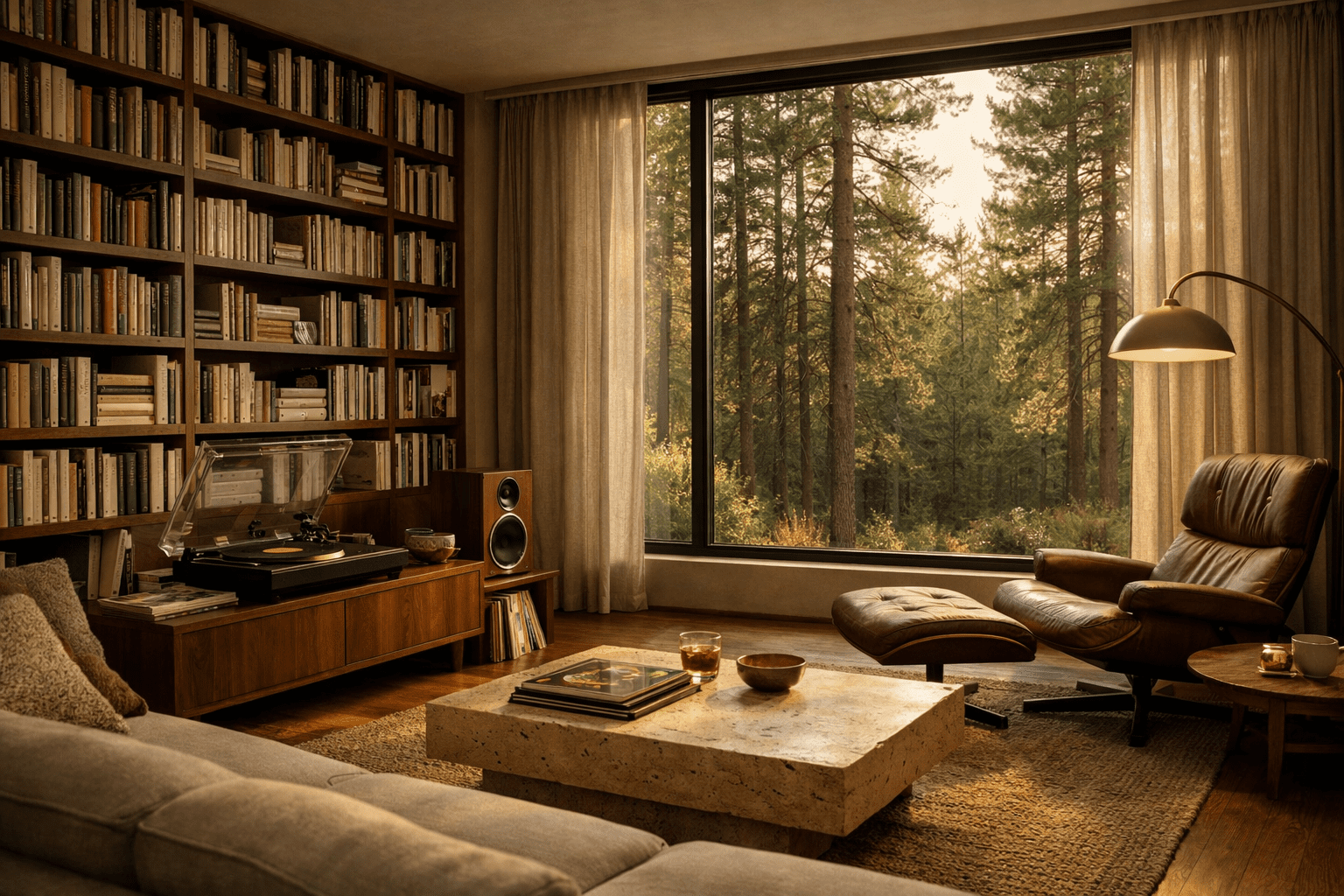
We are seeing a massive boom in physical gathering spots. Record shops, book-binding workshops, and “silent cafes” (where tech is banned) are the new hubs of social life in 2026. People are rediscovering the joy of a conversation that isn’t being recorded by a nearby device.
4. High-Score SEO: Why The Analog Renaissance 2026 is a Search Powerhouse
If you are a content creator, understanding the Analog Renaissance 2026 is vital. People are searching for terms like “how to air-gap my home,” “mechanical watch vs. smartwatch 2026,” and “certified human art.”
The Economy of Authenticity
Google’s algorithms have shifted to prioritize “E-E-A-T” (Experience, Expertise, Authoritativeness, and Trustworthiness). In a world of AI-generated spam, the most SEO-friendly content is that which feels deeply human. By writing about the Analog Renaissance 2026, you are tapping into a high-intent audience looking for authenticity in a digital world.
5. Redefining High-End Education in the Analog Era
Even the way we learn is being influenced by the Analog Renaissance 2026. The most expensive private schools in the world have moved toward a “zero-screen” policy.
The Return to the Pen and Paper
Educators have realized that handwriting notes leads to better retention than typing. In these elite institutions, students use fountain pens, physical encyclopedias, and wooden tools. They are being taught to think independently of AI assistance, making “human intelligence” the ultimate competitive advantage in the 2026 job market.
6. How to Transition to a Privacy Sovereign Lifestyle
You don’t need to be a millionaire to join the Analog Renaissance 2026. It starts with small, intentional choices to reclaim your sovereignty.
Step 1: The ‘Dumb’ Upgrade
Start by replacing one “smart” device with a high-quality manual version. A mechanical alarm clock instead of a phone alarm. A physical map for local trips. These small changes break the tether to the cloud.
Step 2: Curate Your Analog Library
Information on the internet can be edited or deleted. A physical book is a permanent record. Part of the Analog Renaissance 2026 is building a library of physical knowledge that cannot be “updated” or “censored” by a platform.
Step 3: Seek Human-Only Certification
When shopping, look for artisans and creators who explicitly state they do not use AI. Supporting these creators ensures that human culture survives the digital onslaught.

7. The Future of the Global Analog Renaissance
Is the Analog Renaissance 2026 just a passing trend? All signs point to “No.” As AI becomes more integrated into the “mass-market” infrastructure, the “human-led” world will continue to rise in prestige.
The divide of the future won’t be between the rich and the poor, but between the “Algorithm-Led” and the “Human-Led.” By embracing the Analog Renaissance 2026, you are choosing a path of autonomy, privacy, and genuine connection.
Conclusion: Reclaiming Our Humanity
The Analog Renaissance 2026 is more than just a lifestyle choice; it is a movement to reclaim what it means to be human. Whether it’s through “unsmart” homes, human-only products, or the Great Offline Movement, we are finding our way back to the tactile, the private, and the real.
As we look toward the end of the decade, the prestige of being “unreachable” will only grow. In a world where everyone is connected, the greatest luxury is the power to unplug.